

Grocery costs are one of the major bills in a family’s budget. Food prices increased the most during 2026 compared to overall inflation. Furthermore, high food prices can be stressful when trying to stay within their budget and eat healthily.
Protein is one of the most vital macronutrients for human beings’ survival, growth and well being. Protein-rich foods are essential in almost all processes, such as building muscles and repairing tissues, producing enzymes, building the immune system, and also regulating hormones. Complete protein sources can be consumed to promote optimal performance and health throughout the year. Use of high protein food for weight loss, building muscle in the gym, helping with medical conditions, or for good nutrition in general can help to maintain optimal energy outs and metabolism when combined with your diet.
Many people imagine that protein foods are particularly costly, such as some cuts of meat, and some seafood. However, many inexpensive, protein-rich foods can be stored to boost protein intake. Some even go for cheaper rates than that per serving, depending on where you’re actually shopping. Below you’ll find affordable complete protein sources that offer both excellent nutrition and excellent value.
Table of Contents
What is protein?
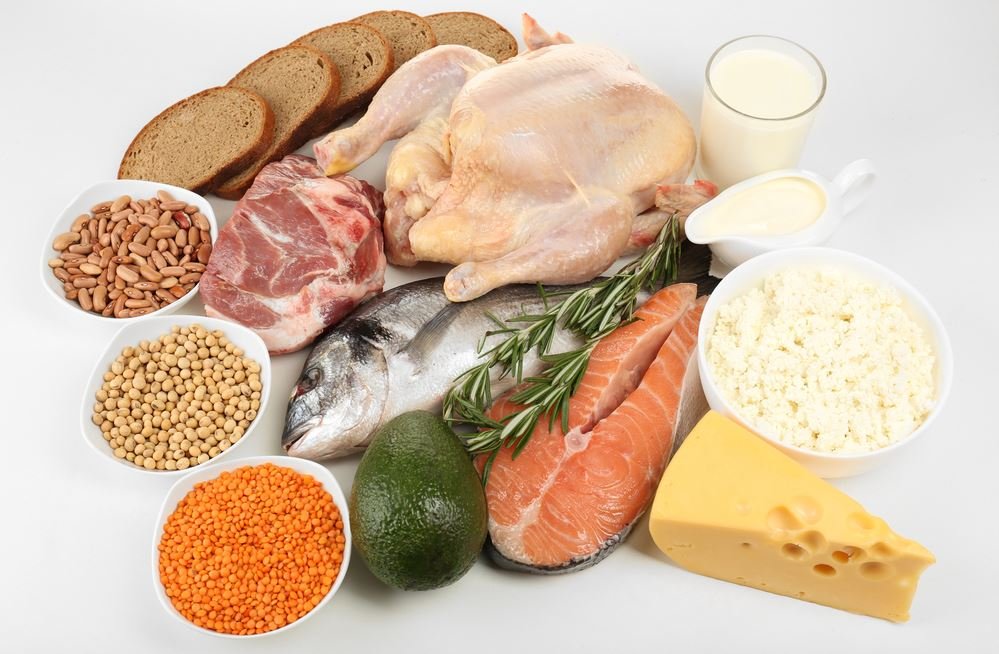
Protein is one of the primary macronutrients that is crucial for health. Proteins are constructed of amino acids and function in the construction, repair and regeneration of each cell and tissue within the body. They play essential roles in a variety of life-giving biological processes, including muscle development, immune function, and a range of other ripening functions. Foods vary in protein types and amounts. Knowing which foods in your diet provide protein and what foods are nutritious options for protein can promote optimal health and well-being.
Why Protein Matters for Your Body
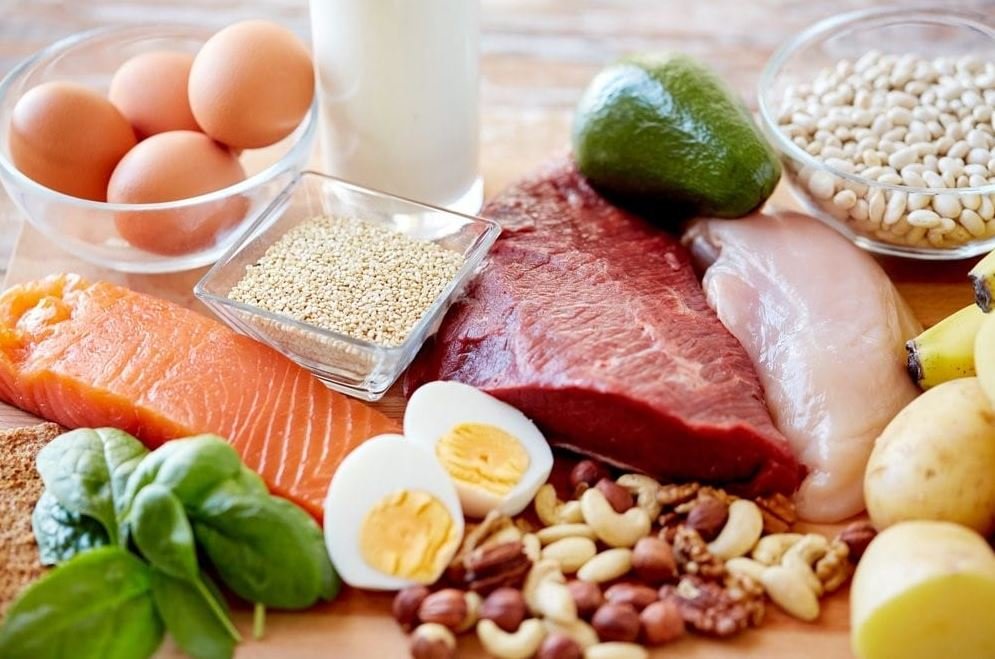
Protein isn’t simply a gym enthusiast’s nutrient. It is essential to the growth of tissues, the formation of enzymes, hormones and a robust immune system. Even if you need to slim down, build muscle mass or simply stay well, a well-balanced diet with a lot of protein sources is important to accomplish every one of these objectives.
Consuming high-protein foods at meals throughout the day can provide a host of benefits toward your energy and well-being. More and more people are being served vegetarian dishes, and they are now beginning to turn to foods with a lot of protein and are rich in vitamins and minerals and have a low rate of digestion. Such complete protein sources can provide you with a nutritious addition to your summer menu and make your diet a more organized, high-protein diet to promote health.
Protein Requirements for Adults

Protein is a necessary nutrient that can help maintain muscle function, repair tissue damage, enhance immune function and contribute to general health and well-being. In healthy adults the recommended protein intake coverage is approximately 0.8 g/kg/day. The amounts of food required are, for instance, based on weight; with a weight of 70 kg, around 56 grams of protein per day are needed.
However, protein requirements may vary from person to person based on their age, activity level and goals for health. Physically active people, athletes, the elderly, and those recovering from illness or injury may need 1.0–2.0 grams of protein per kilogram of body weight, which is more than the amount required for individuals who are sedentary. Incorporate a variety of complete protein sources in your diet to meet daily needs, including lean meat, fish, eggs, milk and milk products, legumes, nuts and seeds. This will help to have the correct kind of nutrition available and will be beneficial for the future.
18 Complete Protein Sources
1. Eggs

Eggs contain all nine essential amino acids, which the body needs, thereby making it one of the best protein food sources. They come with very few drawbacks and can be included in a variety of recipes, such as healthy menus and you can find them on the cheap – hence they’re very popular.
Regardless of being boiled, scrambled or used in omelettes, eggs are an aid to building muscles, repairing damaged tissue and promoting overall health. They also have other nutrients that are beneficial such as vitamins B12 and D, as well as choline which is important for a healthy brain. These meatballs are a great source of protein, helping you stay full and potentially helpful in weight management (cons 6g protein per egg).
2. Chicken Breast

The lean protein that has been widely recommended to build muscle, maintain health, and control weight gain is the chicken breast. It has around 25–30 grams of good-quality protein per 100 grams and is low in fat and calories. Daily consumption promotes muscle growth and repair, as well as recovery after exercise. The frequent snacking between meals is minimized, as it is high in protein, which also increases metabolism. Chicken breast is an easy-to-prepare and versatile protein food that can be put into salads, curries, sandwiches, stir-fried dishes, or grilled dishes to make a healthy and satisfying meal.
3. Beef
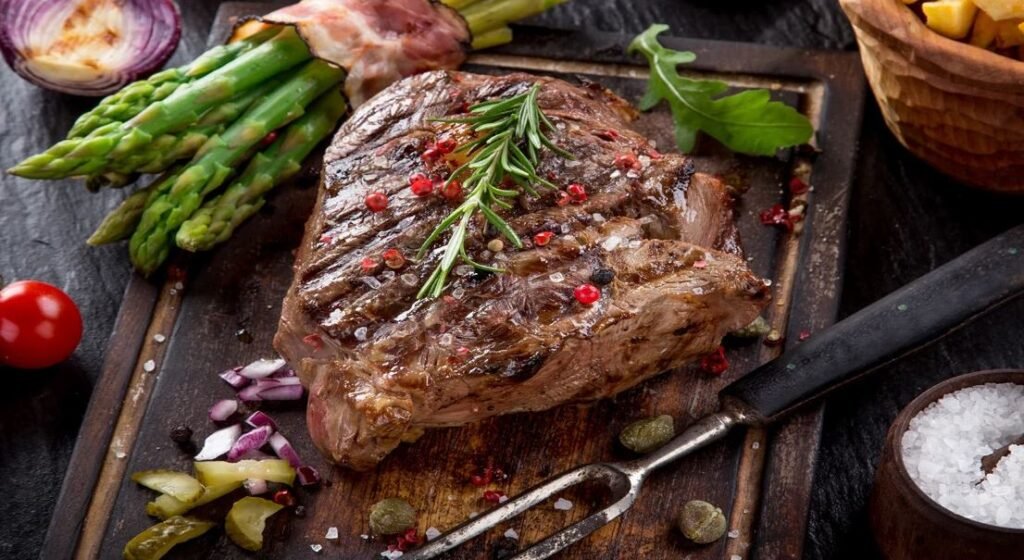
Beef is recognised as one of the most potent complete protein sources, and other nutrients as well. Lean beef is a complete source of protein that contains about 27.8 grams of high-quality protein in 100g, which is an ideal amount for sustaining muscle growth, repair and general maintenance of the body. It also contains around 8.3g of fat and almost no carbs, so is suitable for most low carb diet plans. Steak contains lots of iron and zinc, which have vital roles in energy production and immunity in addition to fitness and well-being.
4. Salmon
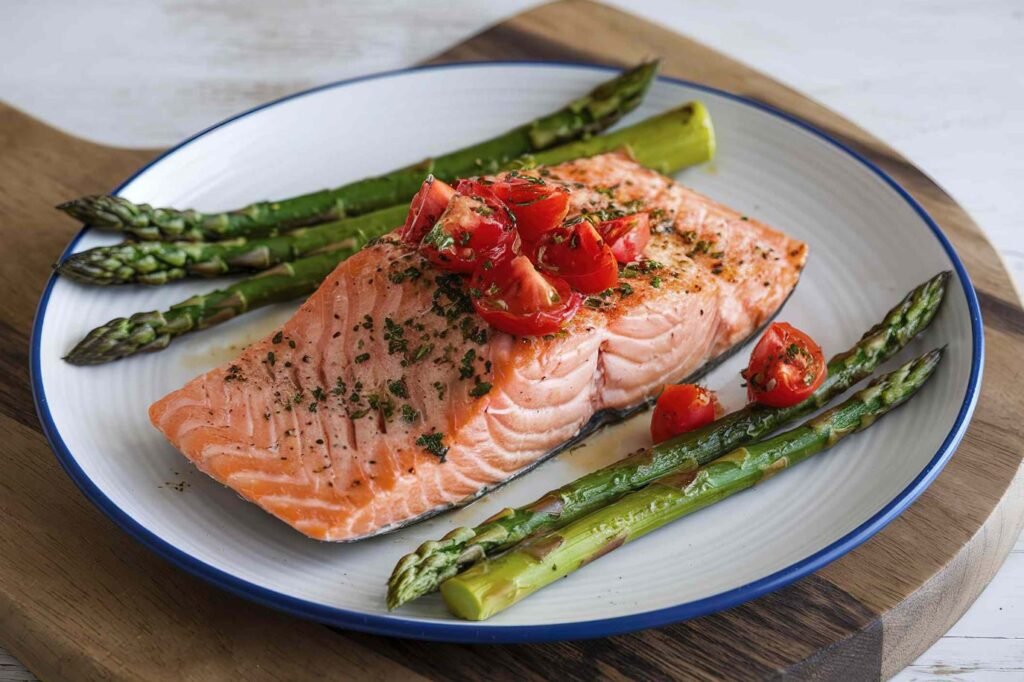
This implies that salmon is an exceptionally nourishing fish that is abundant with high-quality proteins, which are essential for muscle repair, maintenance and good health. Salmon is high in protein sources and also omega-3 fatty acid, all of which have been established to assist decrease inflammation and promote cholesterol levels. Consuming salmon on a regular basis may also help with eye health and brain functioning. Wild salmon is also viewed as preferable as it is generally higher in beneficial nutrients, including Omega-3s, than domestic salmon, making it useful to a nutritious diet.
5. Milk
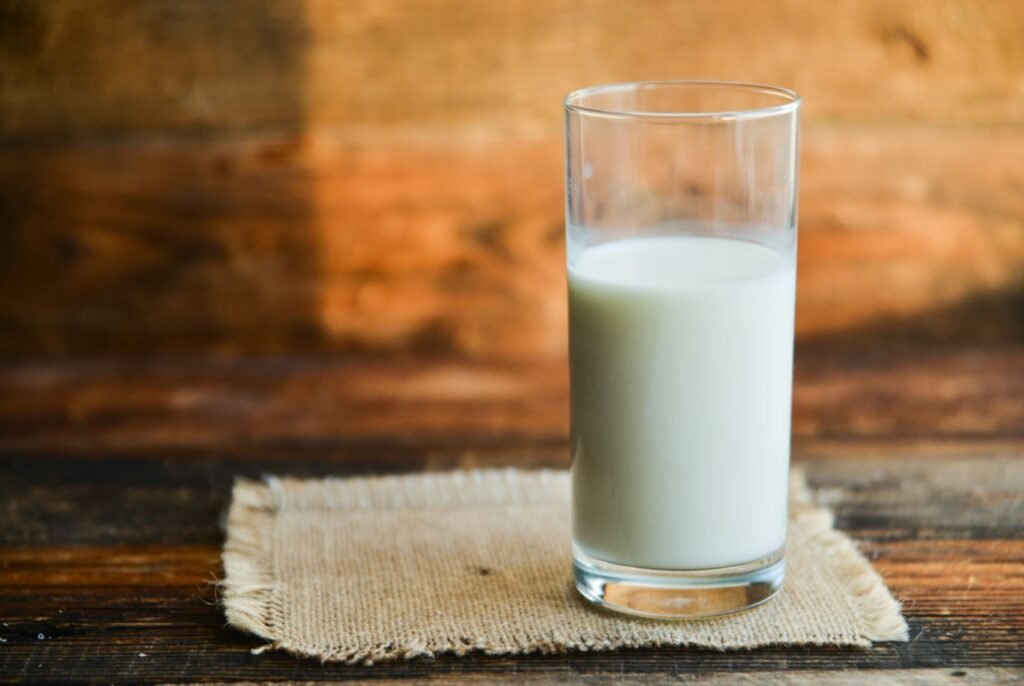
Cow Milk is a healthy and nutritious beverage that provides nutrients. An average 120mL cup (roughly) contains ~12g of protein – a healthy amount of high-quality protein to support muscle growth and muscle repair. Milk’s calcium and phosphorus also help to keep bones and teeth strong. Additionally, it provides the body with many important vitamins: vitamin D and the B-complex vitamins (vitamin B12 and riboflavin, vitamin B2), which are important in metabolism, energy production, and health and wellness. Smoothies, teas and baked goods with cow’s milk, and beverages can be consumed as milk.
6. Canned chickpeas
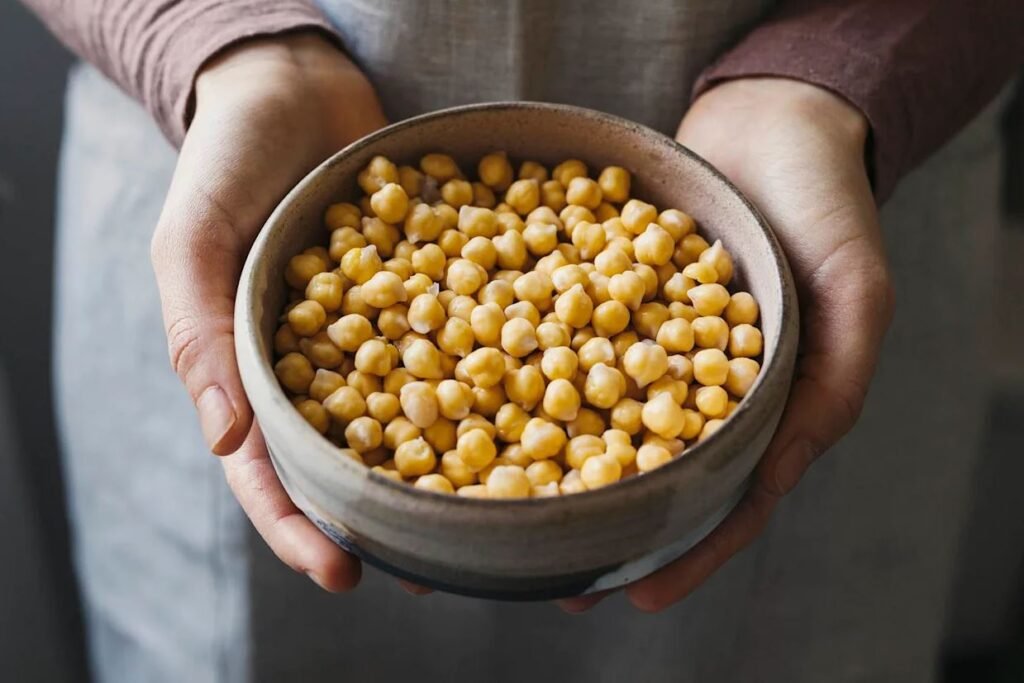
Chickpeas are a very nutritious and inexpensive food. They are also fibre-rich, important to good health and crucial for healthy digestion. Both have folate, an essential component of the metabolism of cells and proteins. Has zinc that aids the immune system and wound healing processes. Canned chickpeas have a water-based canning process. Before using, the majority of people drain and rinse them. This will get rid of a considerable amount of the salt that has been added during canning. Add the chickpeas to a pasta salad, green salad or roast them in a little olive oil and add your other herbs and spices to taste. Chickpeas and tahini, olive oil and lemon juice can be used to make hummus.
7. Greek Yoghurt
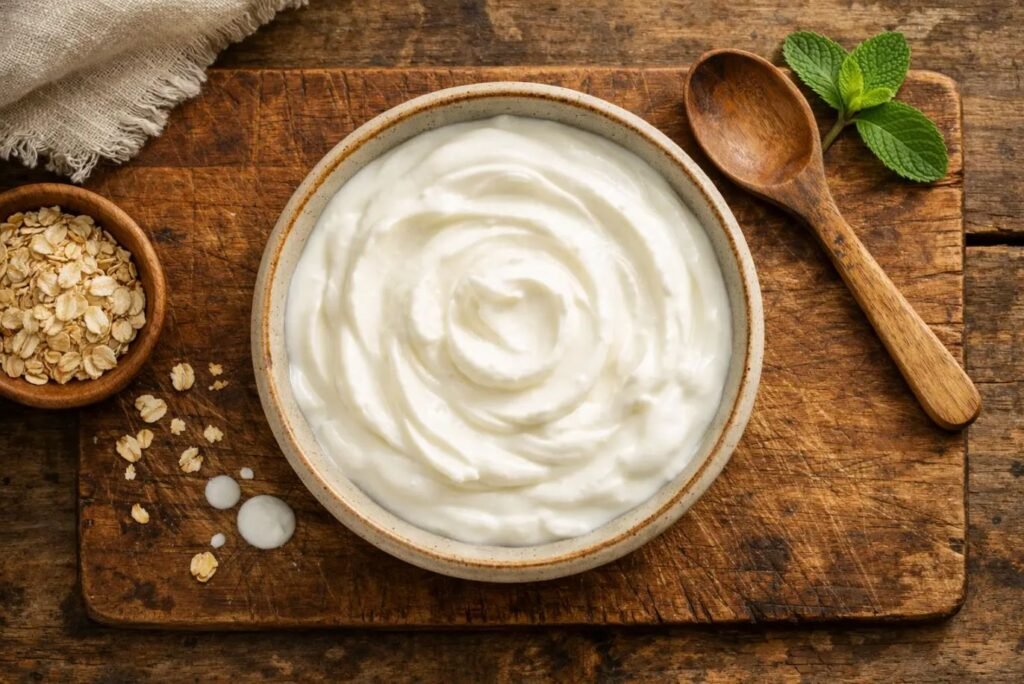
Greek yoghurt is creamy, very protein-rich and thick; popular with individuals who are seeking a protein-heavy snack. It has almost 10 grams of protein per every 100 grams, about twice as much protein as regular yoghurt. Here, you’ll find probiotics as well as high levels of indigestible plant fiber that feed your gut and digestive system for sustenance and satisfaction. It has a dense texture that lends itself to serving in many different ways for summertime eating, such as smoothies, parfaits, fruit salad and even as a healthy dessert. Greek yoghurt can be used in several different ways as well, serving as a healthy snack or on a level plate in meals.
8. Tuna fish
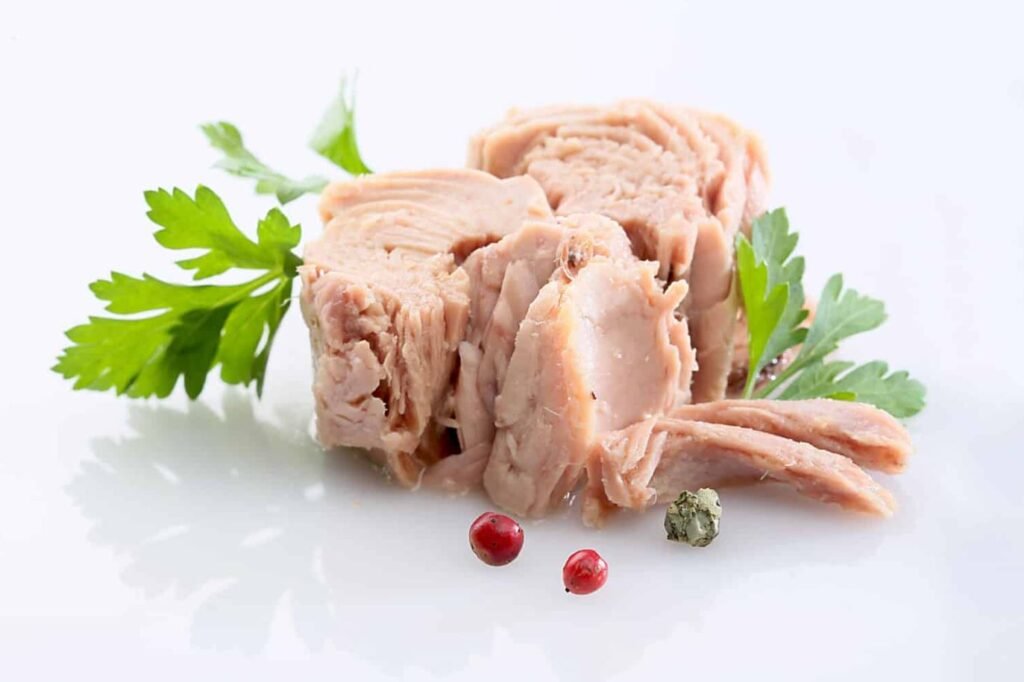
Canned tuna is the meat of the sea and is especially adored by athletes. 100 grams of canned tuna contain 26.3 grams of protein, 3 grams of fat and virtually 0 grams of carbohydrates.
9. Hemp seeds
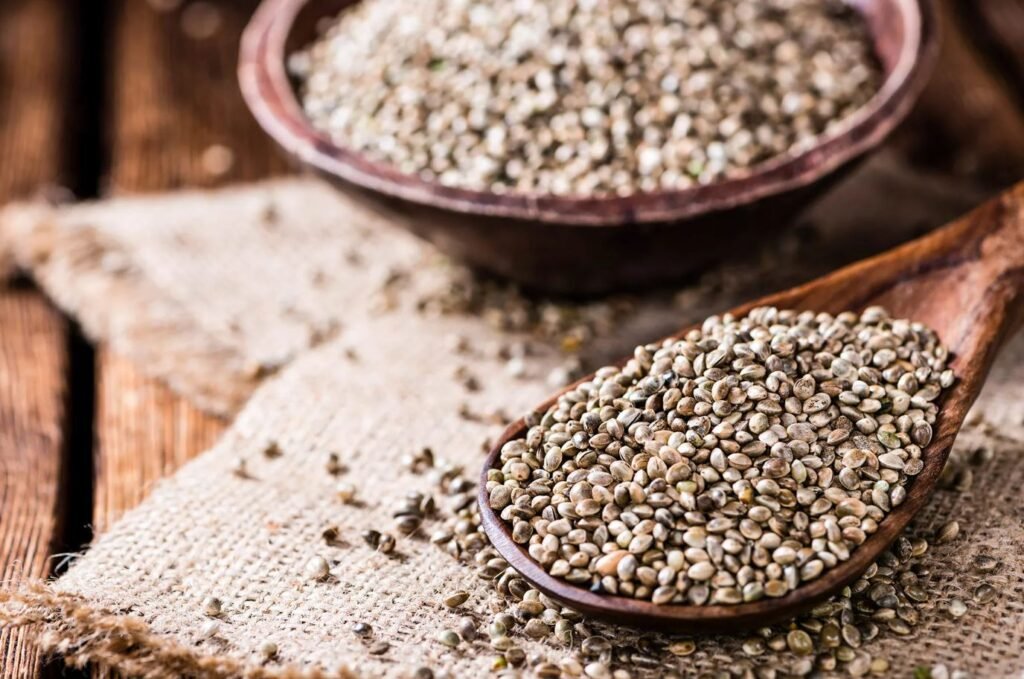
They contain a particularly high amount of protein – 23%. They are an excellent source of vitamins B1, but also of B2, B3, B6. A lot of minerals are being fed in – Phosphorus, Potassium, Magnesium, Calcium, Iron, Manganese, Zinc, Sodium, Silicon, Chromium.
10. Guava

Although guava does not appear to be very healthy, surprisingly, it contains higher protein than it might be thought. While not an overwhelmingly protein-rich food, it is fine as part of a healthy diet; the sweet tropical fruit has about 8 grams of protein per 2 cups serving. Apart from the high protein content it provides, guava is rich in antioxidants and Vitamin C as well, for healthy lifestyle and fulfils demands much in terms of dietary fibre. The number of fibres in Guava is also high, which helps to slow down digestion and helps regulate blood sugar levels, thus making it a good snack idea! Try fresh fruit or fruit salads or smoothies as great treats.
11. Paneer (Cottage Cheese)
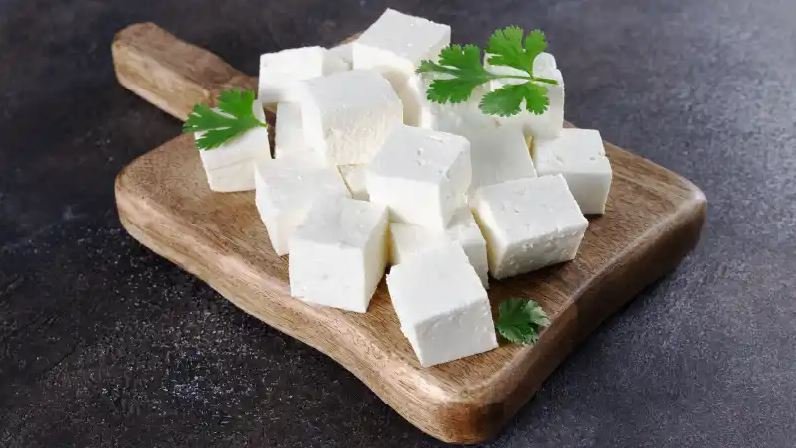
The healthy cheeses and best white milk cheeses of India are paneer, which is rich in protein content to those who don’t eat meat. Learn how well it consists of protein, calcium and healthful fats, which support healthy wellness and health. Consuming paneer regularly provides several benefits, such as strengthening bones, repairing damaged muscle fibers and helping to sustain energy levels. It is also packed with protein; this can also help the person stay satiated for longer. It can be added to curries, salads, sandwiches and different types of snacks and is easily included in a day-to-day diet to increase protein intake and aid in muscle and bone growth.
12. Chia Seeds
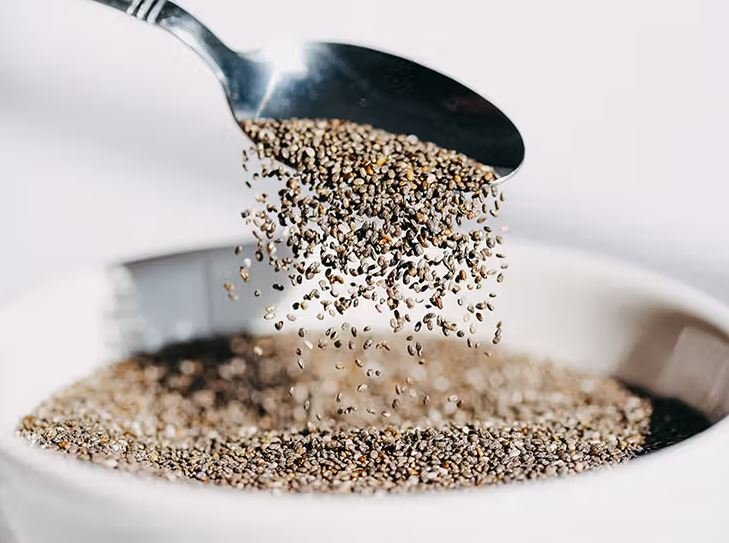
The chia seeds are very rich in nutrients, and contain around 4.7 grams of protein per ounce. They’re rich in fiber, calcium, Ω3 fatty acids and antioxidants; all important elements of a healthy diet. They are almost a complete protein source, although they don’t have quite as high a percentage of lysine as some other protein sources. They can be used in any food dish. Soak with water to make a creamy pudding or add to smoothies for extra nutrients or as a “plant-based egg” in baking.
13. Lentils (Dal)
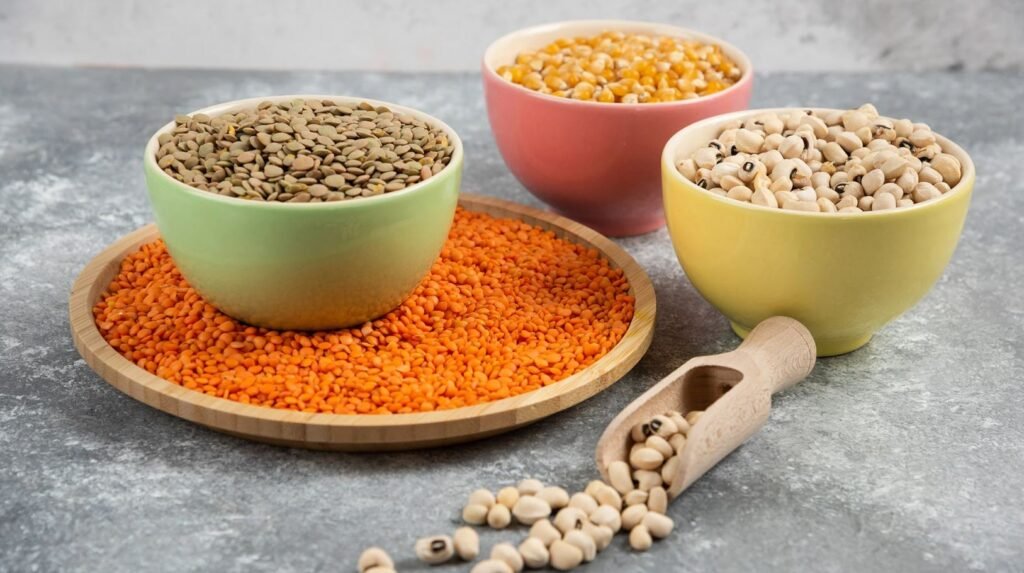
Lentils—which is one of the most popular complete protein sources can be an economical and nutritious breakfast option to add protein to your main meal. They are high in plant protein and minerals, including iron, which are essential for the health and good wellbeing of all, and a good source of dietary fibre.
Lentils are a rich source of fibre, energy and may aid in healthy digestion and a balanced diet. They are versatile vegetables and can be added to various dishes, such as dal, soup and curry. If you’re looking for a low cost way to enjoy a healthy diet, or you’re looking for some protein in your diet, take some time to consider adding lentils to your meals!
14. Quinoa
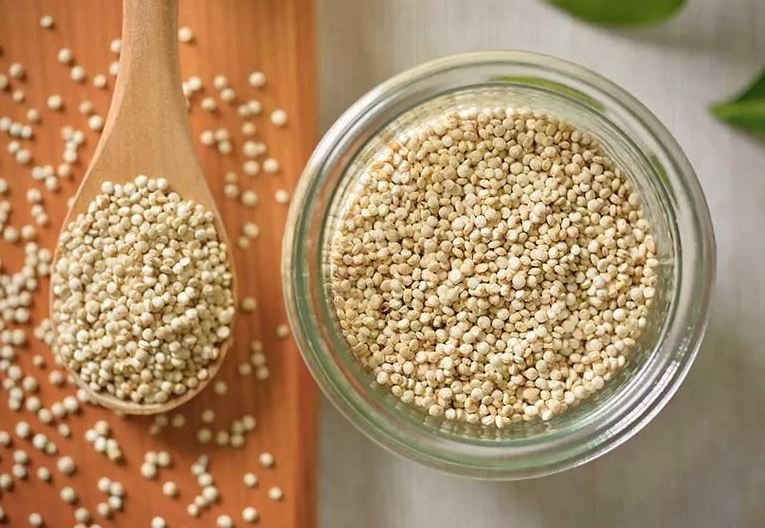
Quinoa is a nature seed, but is also written as a gluten-free whole grain. A rich source of antioxidants, zinc, folate, plant protein and fiber. It is versatile and can be used in a variety of dishes, including salads, stir-fries and breakfast bowls.
15. Kidney Beans (Rajma)
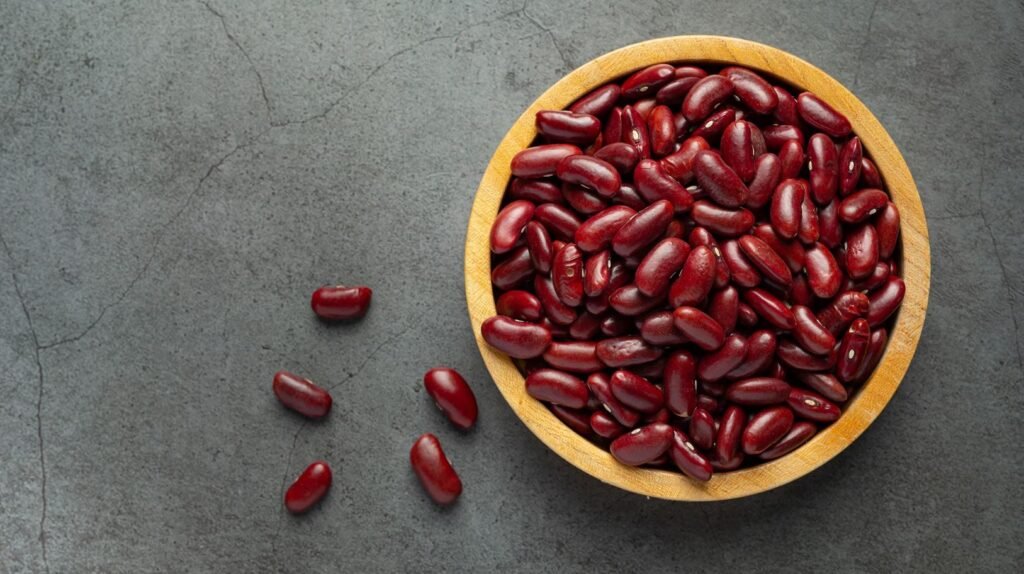
Your “Rajma chawal is not only a delicious and comforting home cooked meal, it is also a healthy meal in which, you can get your plant’s protein requirement from the Rajma. However, kidney beans are a good source of protein, as well when consumed in a balanced diet, around 15 g in the cooked beans. Yet, alone, many amino acids are not present in rajma. Importance of rice here. When combined with rice, the amino acids complement the lacking proteins and make rajma a complete protein sources that supports muscle support, boost energy and general wellness.
16. Soybeans
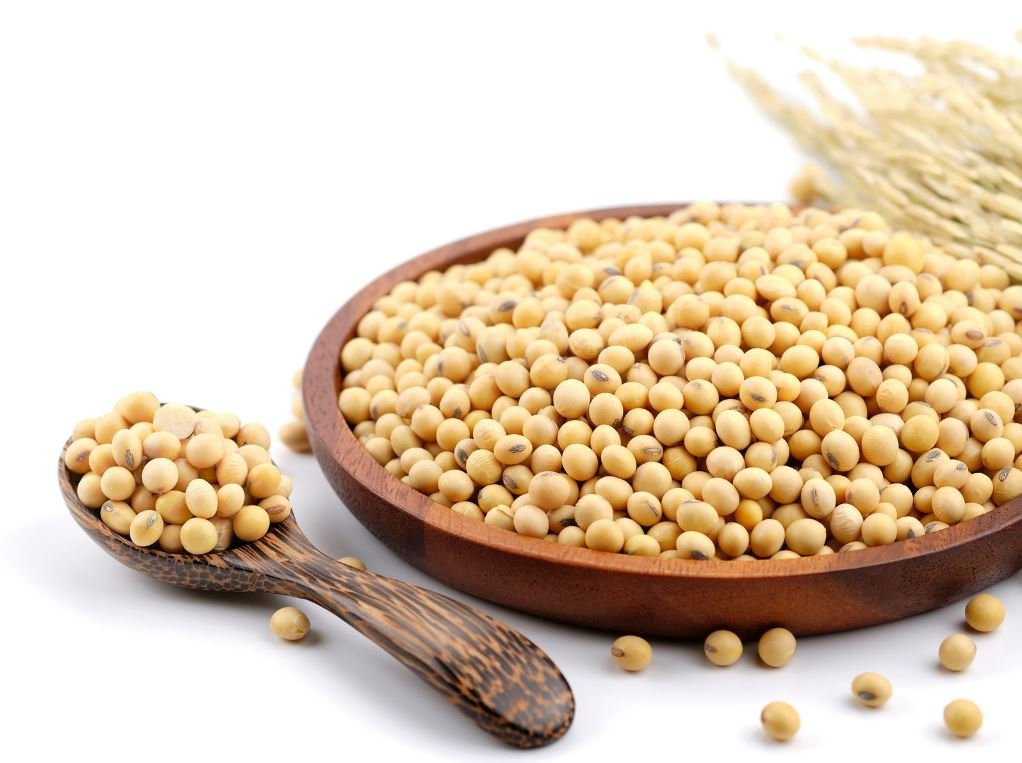
Soybeans are legumes that provide several vitamins and minerals, including vitamin K1, folate, copper, manganese and phosphorus. Others have proposed that they may also have a beneficial effect on breast and prostate cancer and can reduce the risk of them. Others believe they can also help to keep up a balanced mood and decrease symptoms from menopause. Tubes of tofu, tempeh, or edamame (young soybeans before they have fully matured) can be made from soybeans.
17. Peanuts
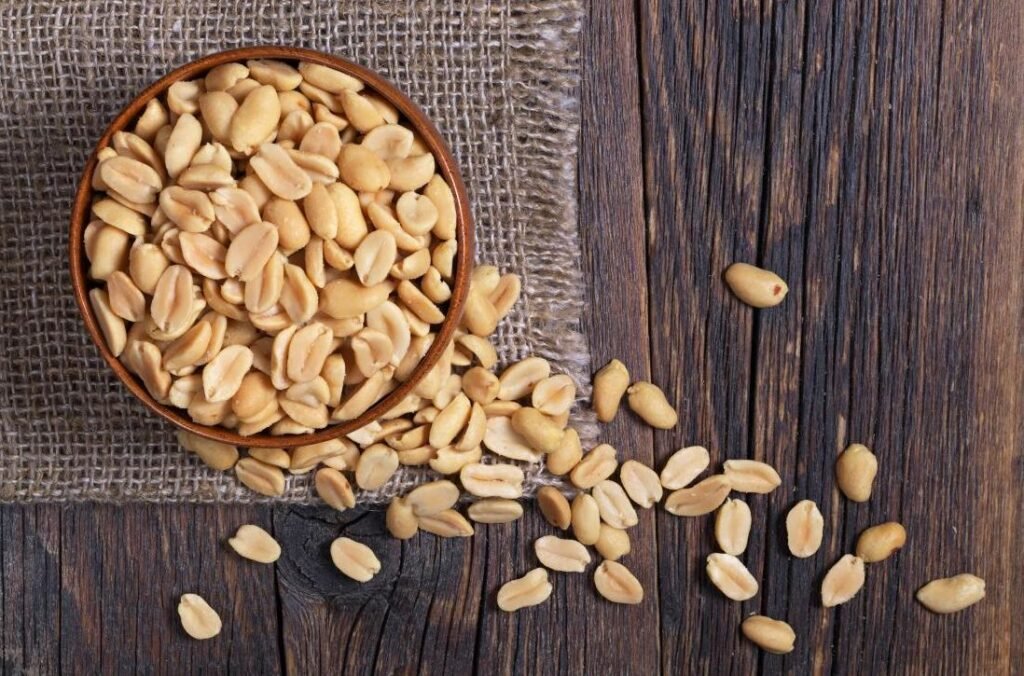
Peanuts contain high amounts of plant protein, but, like other legumes, low levels of some of the essential amino acids, including lysine and methionine. If eaten in a reasonably balanced vegetarian diet, however, they can be used to complete the diet; their digestibility of protein (how well people digest and absorb it) is about as good as animal protein. Nut butters, such as peanut butter, are also a great source of protein and are easily available, but be sure to read the label and compare if there is an additional oil, salt and sugar in the nut butter. There’s slightly more than 3g of protein found in 1 tablespoon of smooth peanut butter.
18. Pistachio
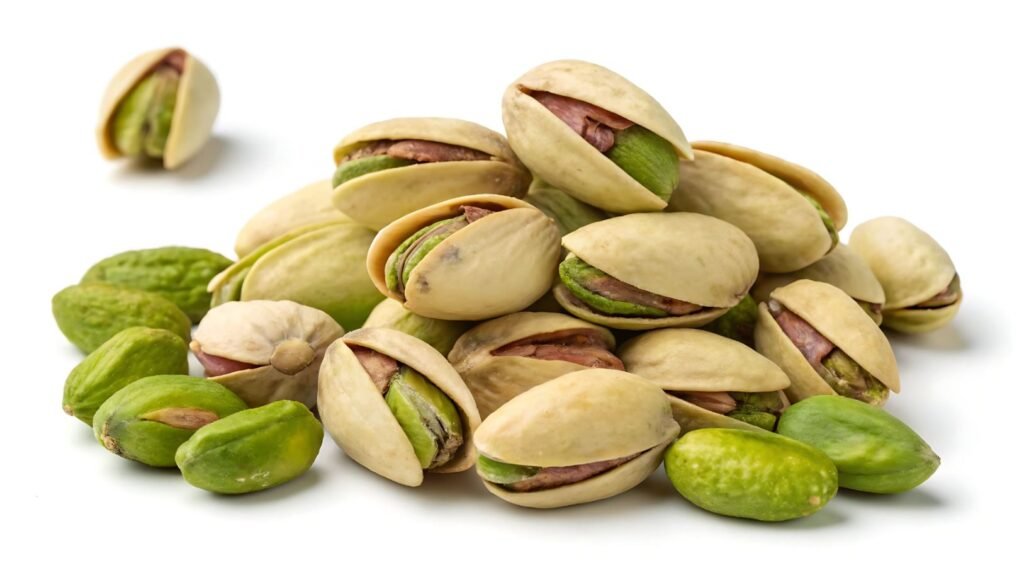
They are delicious little bits that are full of all the essential amino acids and can be sprinkled on to so many dishes – savoury or sweet! Here are other nuts that provide you 5g or more of protein in a handful: Almonds, Cashews and Peanuts (qualifying them as a legume!).
Importance of Eating Protein-Rich Foods
- Supports Muscle Growth and Repair
Muscles need protein to build, maintain and repair them. This supplies a recuperative effect for the body after exercise and strengthens the entire body.
- Keeps You Full for Longer
Protein-rich foods provide sufficient satiety to reduce the temptation to overeat and help control appetite throughout the day.
- Promotes Healthy Weight Management
A high protein diet will help those who want to lose weight, as it increases metabolism and keeps lean muscle mass intact during the fat loss phase.
- Strengthens Bones and Immunity
Protein is important for the body’s ability to make strong bones and the antibodies necessary to keep the body healthy and immune to infections.
- Provides Sustained Energy
Proteins stabilise blood sugar level and provide sustained energy, which prevents energy crashing, yielding better productivity.
Read Next


