

If you’re like most people, when you consider probiotics (those good microbes residing within your gut), you will probably remember all the content that keeps appearing on your social feeds, claiming that they can aid with digestion, improve immunity, and help overall gut health. But as you’re thinking about supplementing with a probiotic, you might not be aware that there are ways to naturally consume probiotics such as yogurt, sauerkraut and miso, and kimchi. So, let’s explore the varieties of top 20 probiotic foods that you can consume.
Table of Contents
Top 20 Probiotic Foods
1. Curd (Dahi)
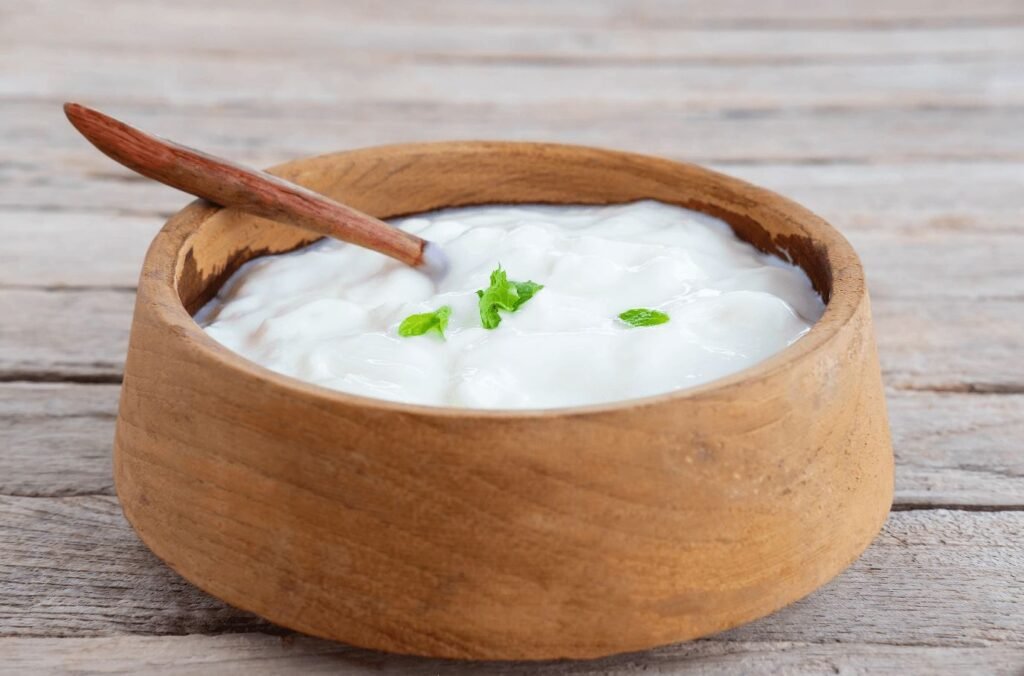
Curd being a source of rich nutrients is an important and essential nutrient in Indian households with innumerable health benefits. It’s packed up with calcium, vitamin B12, riboflavin, phosphorus and protein, all of which are important for good bone and muscle health and overall wellness. Apart from this, there are enough levels of probiotics bacteria in curd that help maintain the stream and health of your gut, for example, ‘Lactobacillus acidophilus’ and ‘Bifidobacterium bifidum’. Frequent intake of curd can help to boost digestive function, aid in nutrients absorption, enhance immune system and play a role in healthy bones and teeth.
2. Kefir
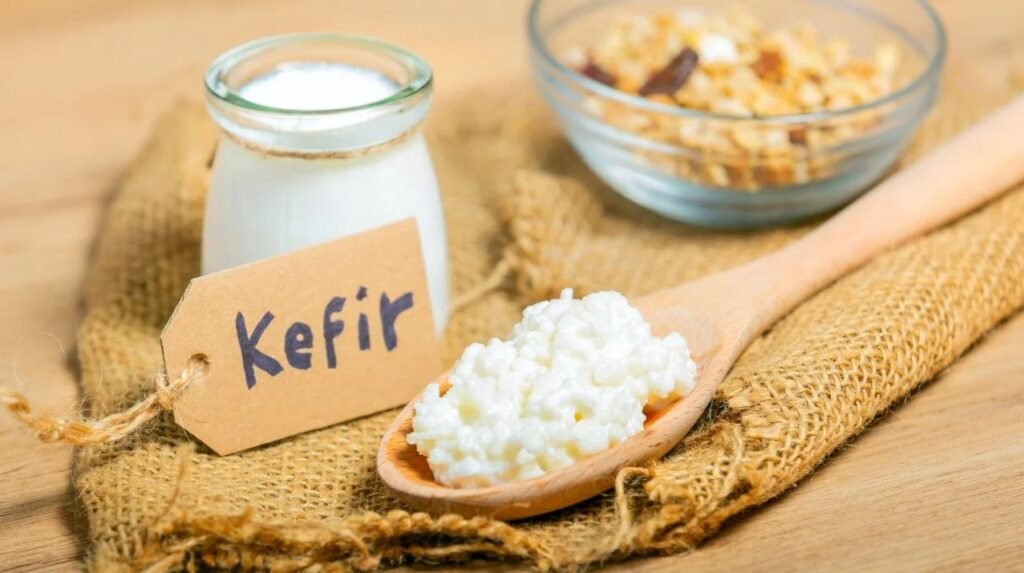
This fermented milk drink utilizes bacteria and yeasts of the lactic acid family, and it has over 50 species of probiotics ( helpful yeast/growth). It has a creamy texture and a sour taste. Some people take it alone, but it is also a popular smoothie to drink. Generally, opt for plain or unsweetened versions of your kefirs, as well as kefirs containing sugar.
3. Yogurt
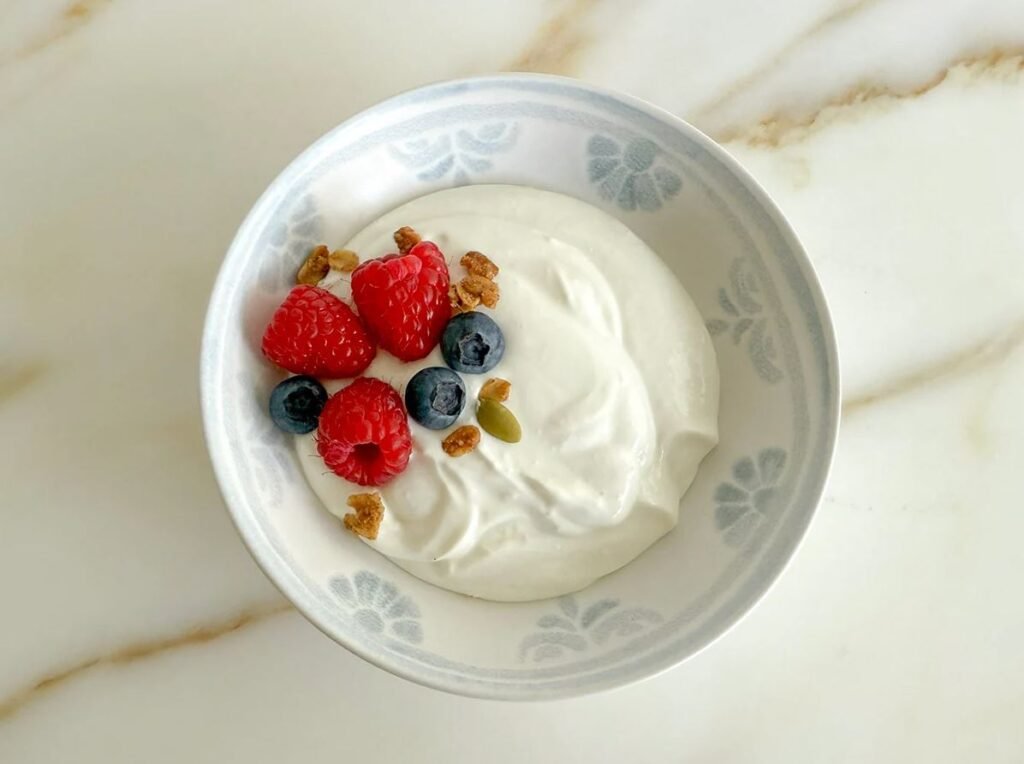
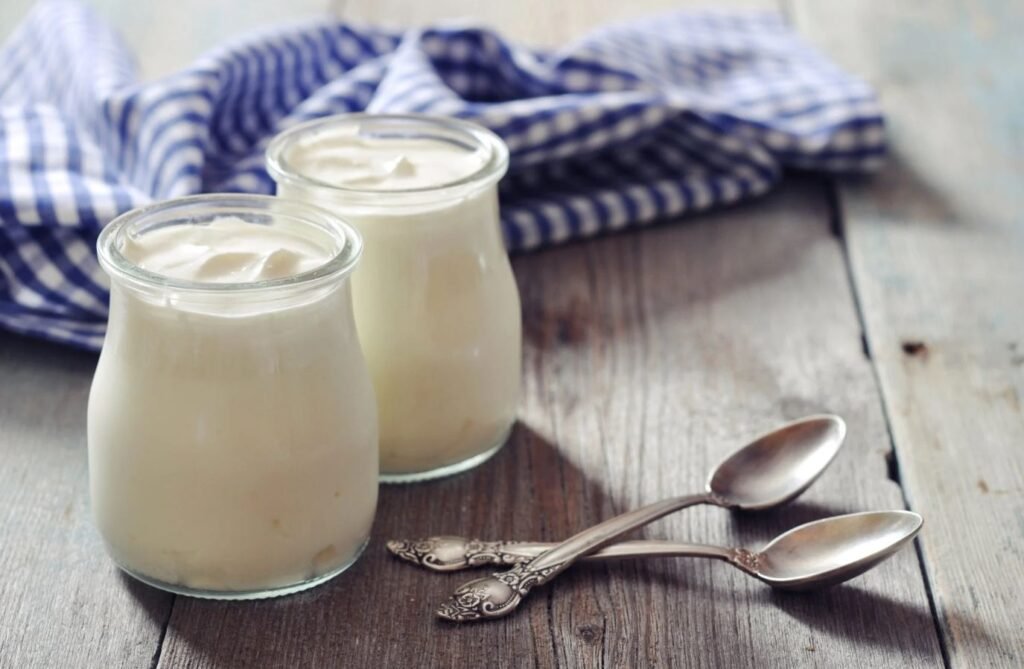
Yogurt is one of the best food sources of the ,top 20 probiotic foods which are live or active bacteria that make milk ferment (mainly lactic acid bacteria and bifidobacteria). Widely available in shops, yogurt is also super easy to make at home. Incorporate yogurt into your meals with overnight oats, roasted aubergines with yogurt & harissa and beetroot cumin & coriander soup with yoghurt & hazelnut dukkah.
4. Acidophilus Milk
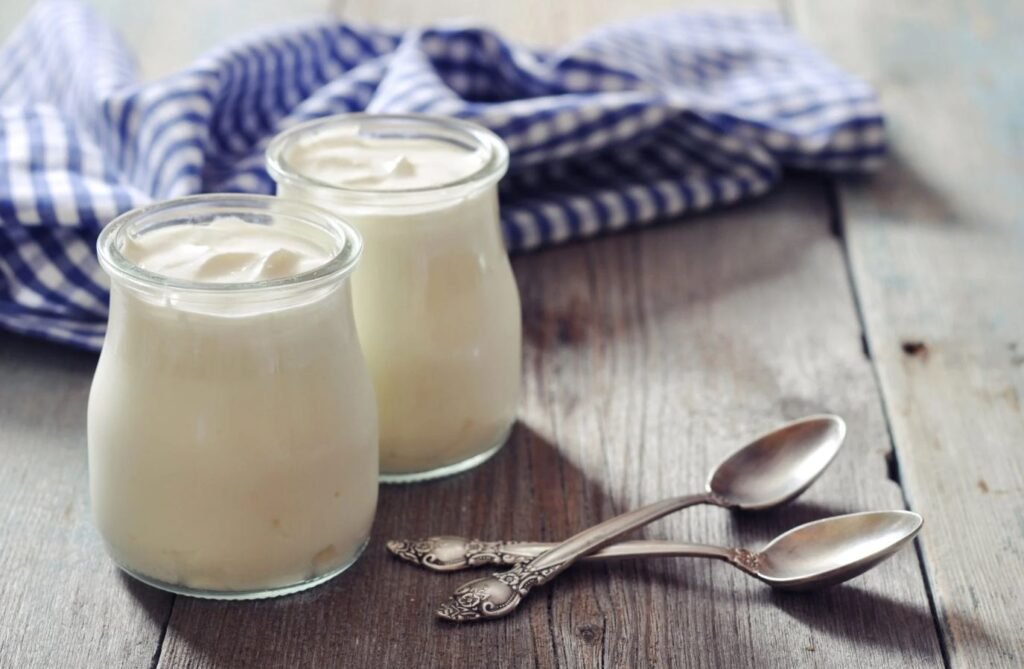
Acidophilus milk is a fermented milk that is created by the bacteria species Lactobacillus acidophilus fermenting cow’s milk. There are multiple health promoting properties with this strain – all of which include reducing cholesterol in the blood, supporting the immune system and promoting good health in the gut.
5. Kanji
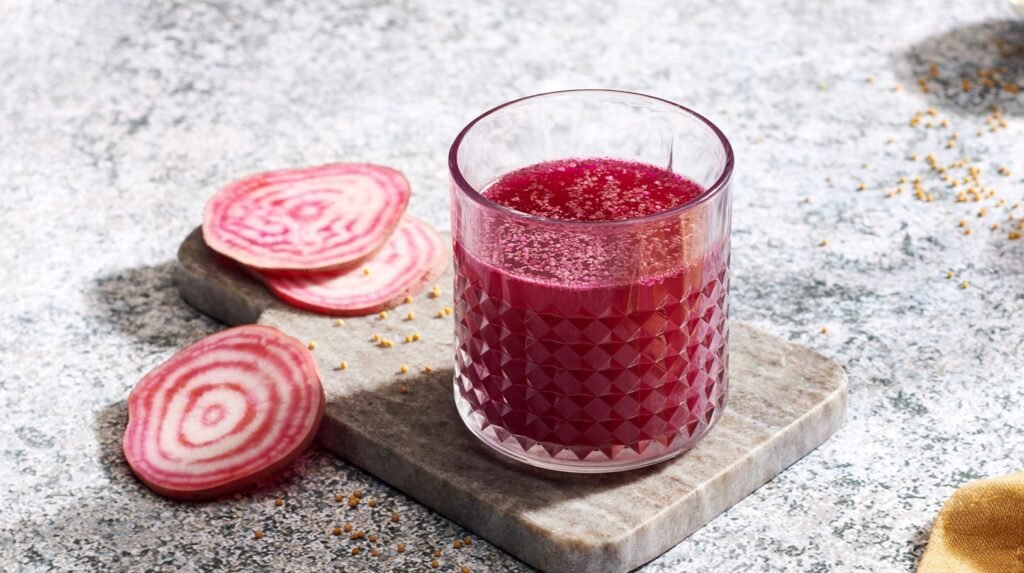
Fermented together with black carrots, or beets, along with mustard seeds, this tangy beverage is traditionally a popular drink in North India. Sits profoundly with lactic acid bacteria, which assist with the control of microorganisms in the gut system and digestion. Kanji further boosts anti-inflammatory properties and high fibre content aids in the promotion of bowel movements on a regular basis. Enjoy it on its own throughout the winter months.
6. Cocoa beans
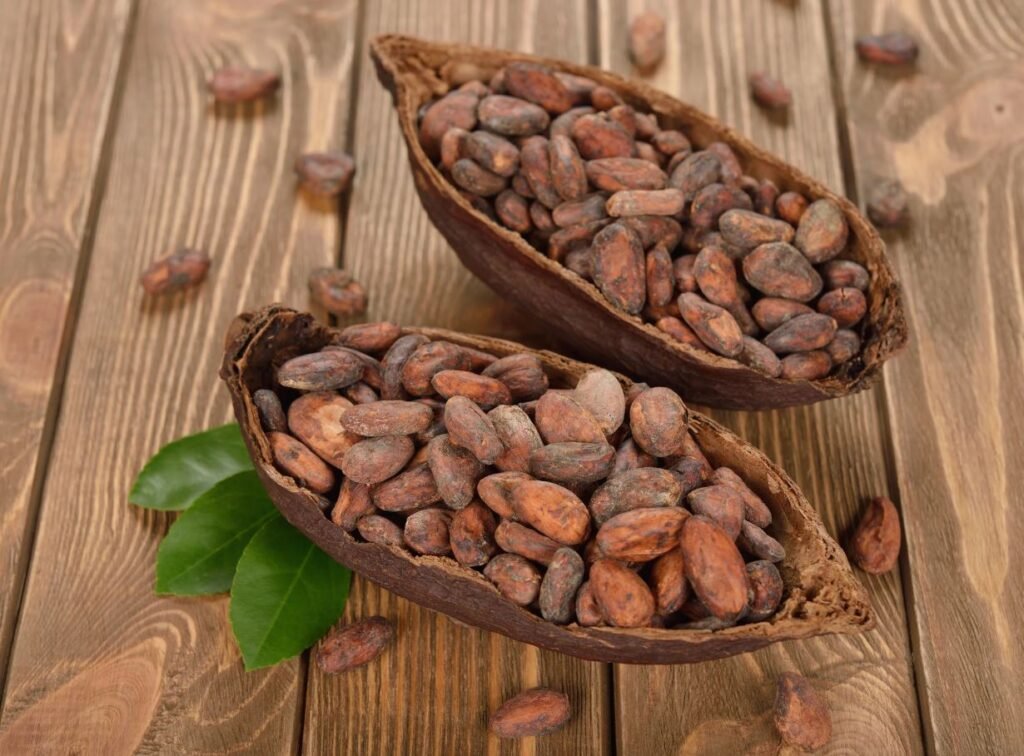
The seed of a cocoa tree, used for making chocolate cocoa beans. Cocoa beans are rich in flavanols, which are beneficial for health, as they are both antioxidants and anti-inflammatories. These compounds even help to promote the growth of beneficial bacteria in the gut, and inhibit the growth of harmful bacteria.
7. Pickles
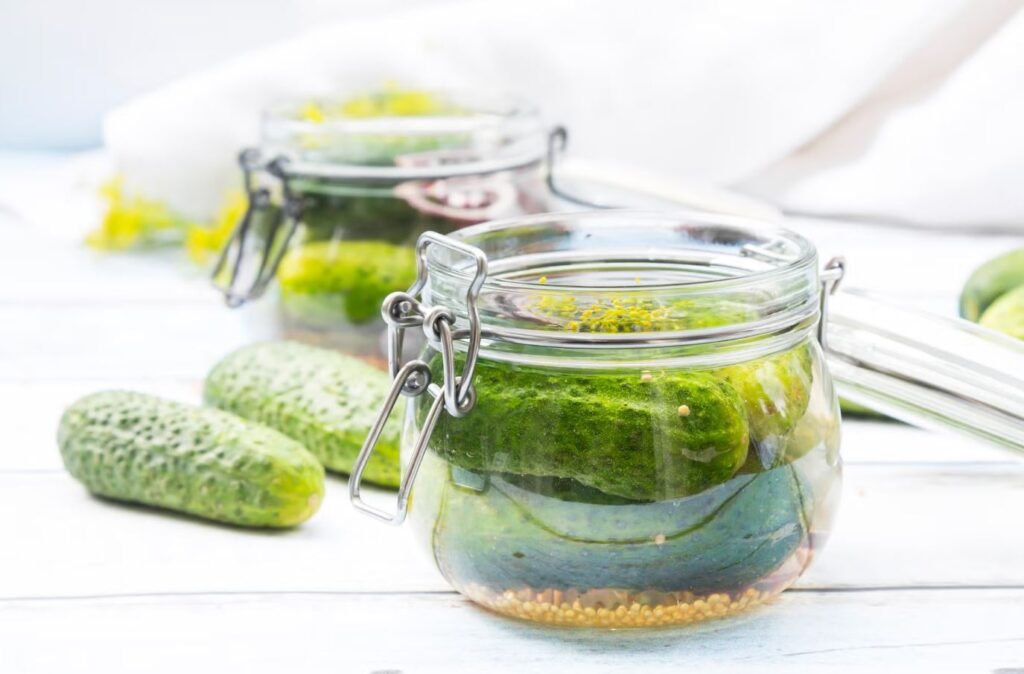
Pickles are generally made out of veggies or fruits by preserving them in a salt and water mixture. It is allowed to ferment for some time to sour the taste, accomplished by lactic acid bacteria found naturally in them. Cucumber Pickles contain probiotic bacteria that can potentially alleviate digestive problems, making them a wonderful natural digestive aid. Be aware that pickles typically come with a lot of salt content, though able to get another pickles with a lesser quantity of salt in case you are light on dietary requirements. Plus, because vinegar pickles aren’t made with live probiotics, be careful of what you’re eating.
8. Kombucha
Kombucha makes use of a SCOBY—symbiotic colony of bacterial and yeast cultures which have constructed their very own biofilm to clot and launch a fermentation of black tea, creating a fizzy product that resembles alcoholic drinks or sodas. Kombucha is thought to have begun in Japan, and is thought to have been around for over 20,000 years. There have been a lot of statements about kombucha, but its primary health benefits consist of digestive help, boosted energy and liver detoxing.
9. Smoothies
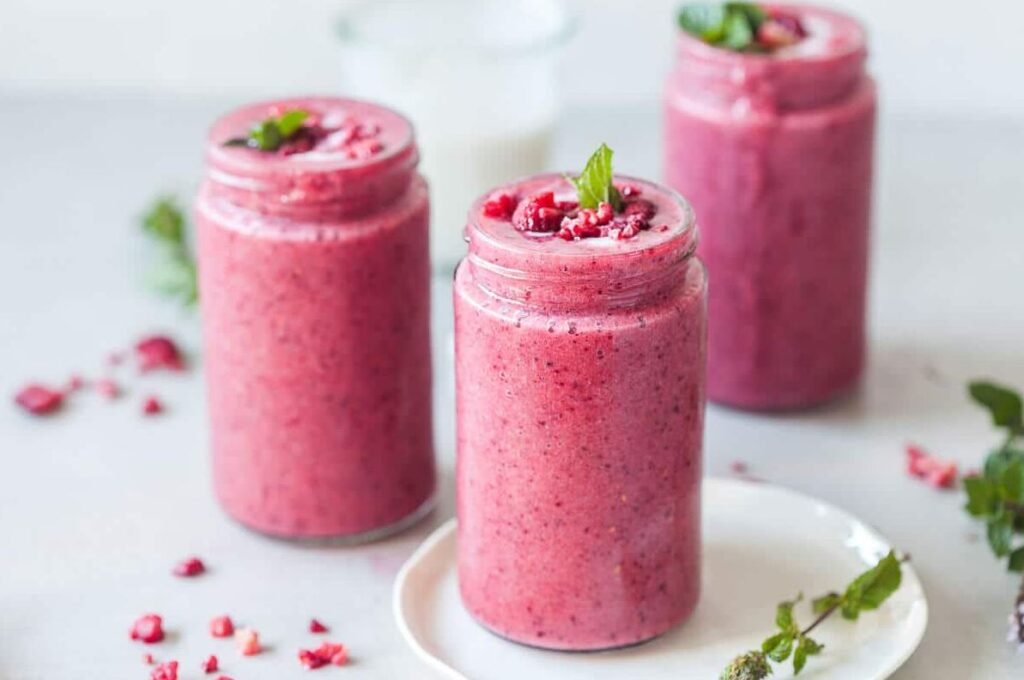
A great option when you must consume a probiotic in your daily routine is to drink delicious-tasting smoothies made with probiotics in their rinse. Make a fruity, veggie-rich, tasty drink with your favorite fruits and vegetables, using a probiotic yogurt! Eating smoothies with ingredients like “bananas, berries, spinach, and mangoes” are easy to balance with yogurt, making for a healthy yet delicious drink. Probiotics for gut help to increase good bacteria in the gut, while fruits and veggies supply fiber for a healthy gut. Add probiotic smoothie to your list as a terrific meal replacement and snack as well as a healthy digestive aid.
10. Green olives
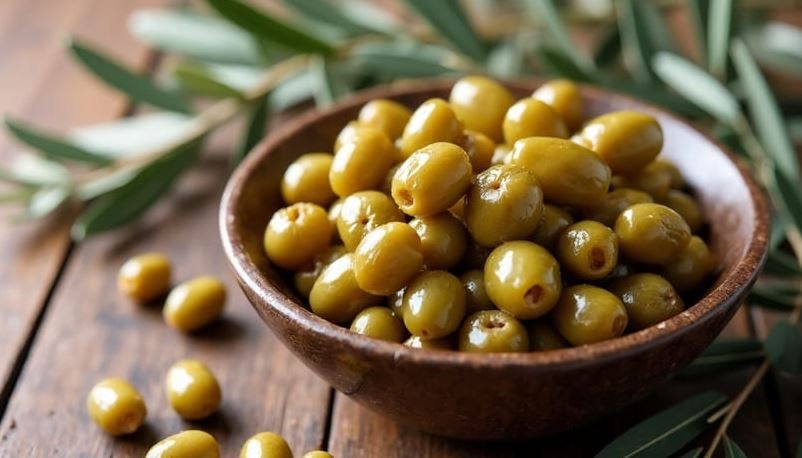
Table olives can be just as beneficial, although extra virgin olive oil has been a kitchen staple since it is thought to be good for you. The lactic acid bacteria (lactobacillus) and fermentation of olives are also very healthy for the gut and overall well-being making them a great source of probiotics.
11. Natto
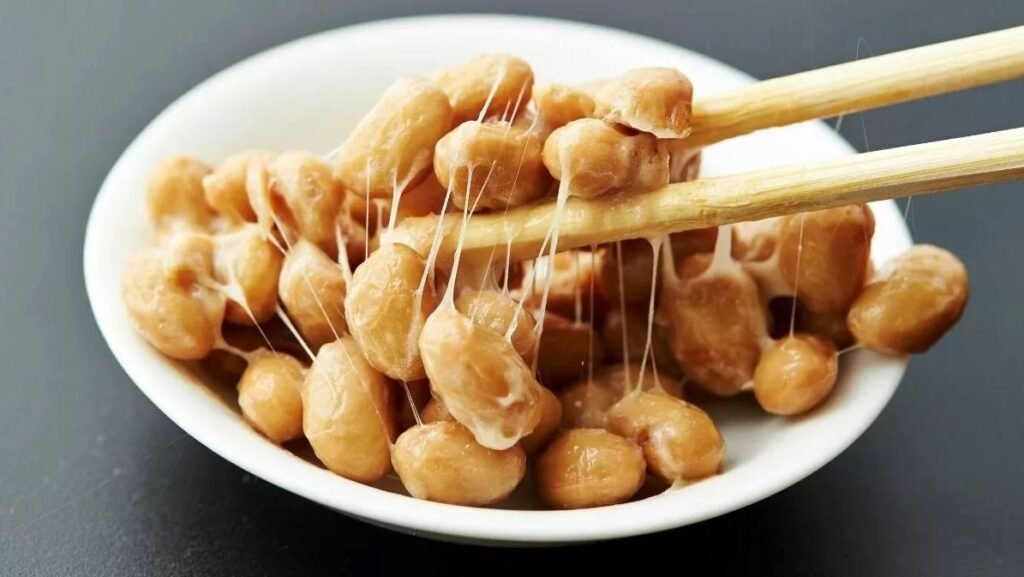
A popular dish in Japan consisting of fermented soybeans, natto contains the extremely powerful probiotic Bacillus subtilis, which has been proven to bolster your immune system, support cardiovascular health and enhance digestion of vitamin K2. The enzyme in Natto, called nattokinase, is a powerful anti-inflammatory which has been shown to prevent blood clots and is rich in protein sources, making it rank high in the list of probiotic foods.
12. Idli and Dosa
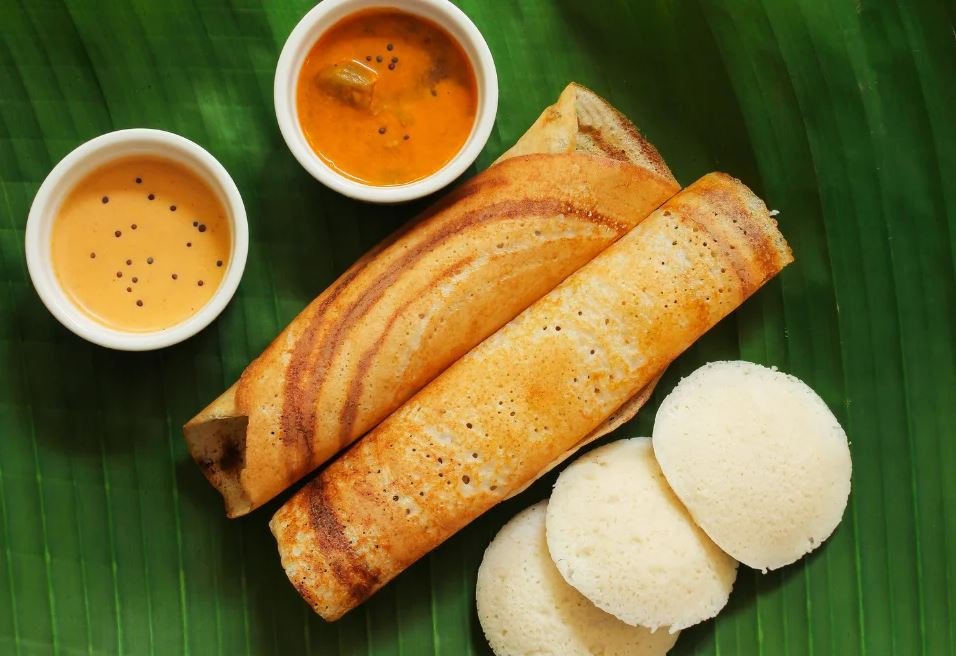
Idli and Dosa are some of the famous southerndesha cuisine which you can enjoy in India today. Also, they are simple to prepare in the home. It is produced from fermented rice and urad dal containing ‘carboxylic acid bacteria’ which are microorganisms that serve as probiotics. Such as probiotics rich food with high antioxidants and fibre is also rich in such foods too. The side dishes that go with it are sambhar and chutney, which maintain the taste. These probiotic foods are rich in healthy bacteria that not only help in digestion but also are good for skin, weight loss and chances of stroke.
13. Kimchi
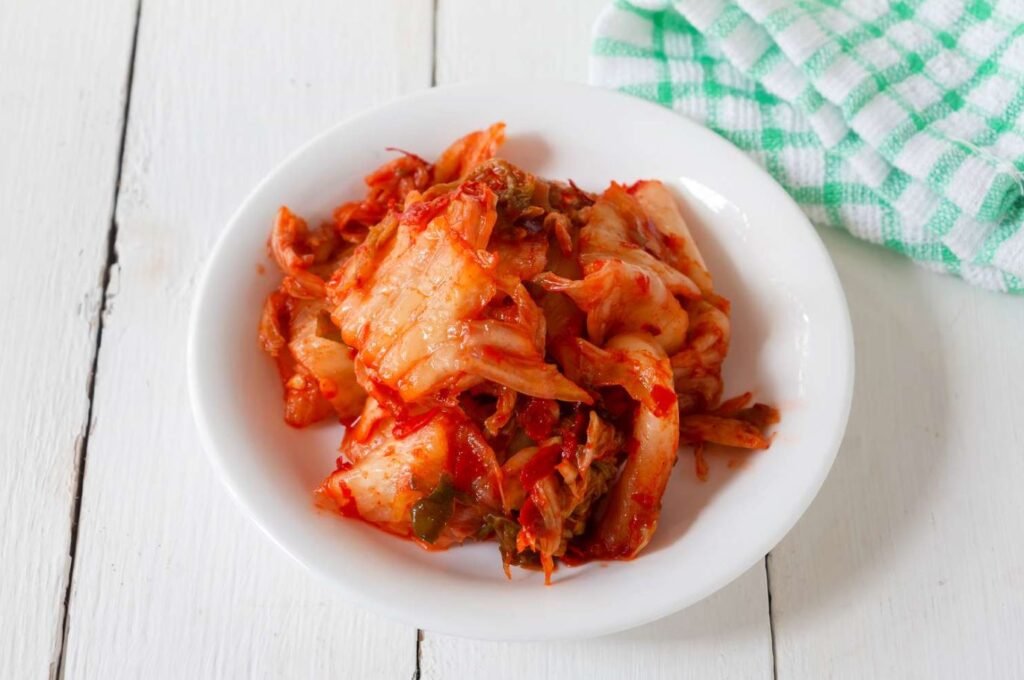
Kimchi is a traditional Korean staple food, consisting of fermented vegetables like cabbage and radish. Prominent health benefits include a few that are similar to yoghurt and other probiotic foods, containing dairy. With kimchi being made up predominantly of cruciferous vegetables and other functional health foods like garlic and ginger it can definitely be considered a healthy addition to your diet. The main probiotics in kimchi are lactic acid bacteria. Kimni has been linked to a couple of health effects such as immunopromotion and skin care.
14. Paneer
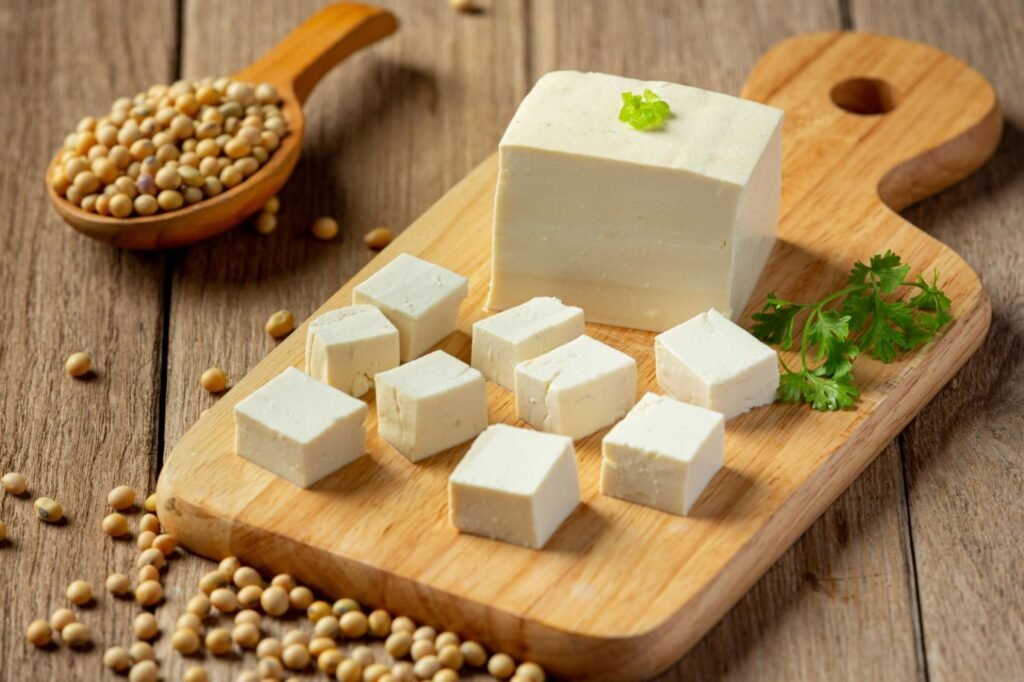
One of the popular and widely consumed milk products is paneer which is made from cultured milk medium and has very little amounts of beneficial probiotics available in it as compared when it is freshly prepared at home. A rich source of quality protein that is a good complement for balanced diet. Though its probiotic content is less when compared to fermented foods like curd, paneer can still provide some support to the gut health. Eating 50–75 g of paneer thrice a week may add nutrition to the diet. To benefit the health, incorporate paneer with vegetables that are good for probiotics like spinach, bell peppers, and other nutrient-rich vegetables.
15. Fermented Rice
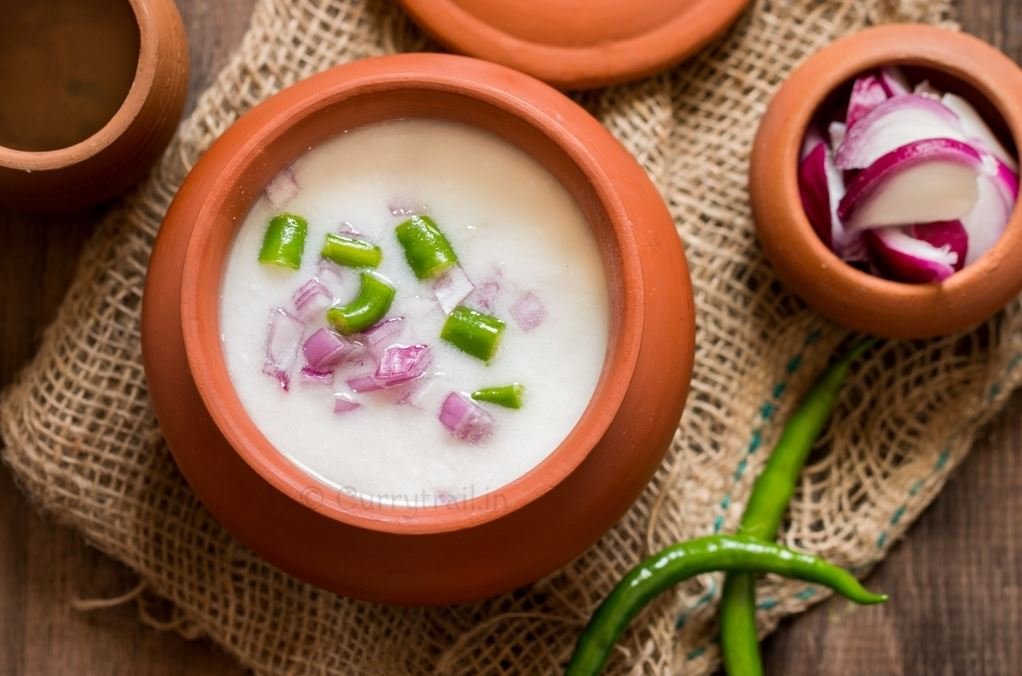
Here in some places of south and East India the residual rice is given overnight in water and is taken the following day mixed with curd or salt. This is fermented rice loaded with probiotics and provada to have cooling effect and help maintain a healthy gut.
16. Bananas
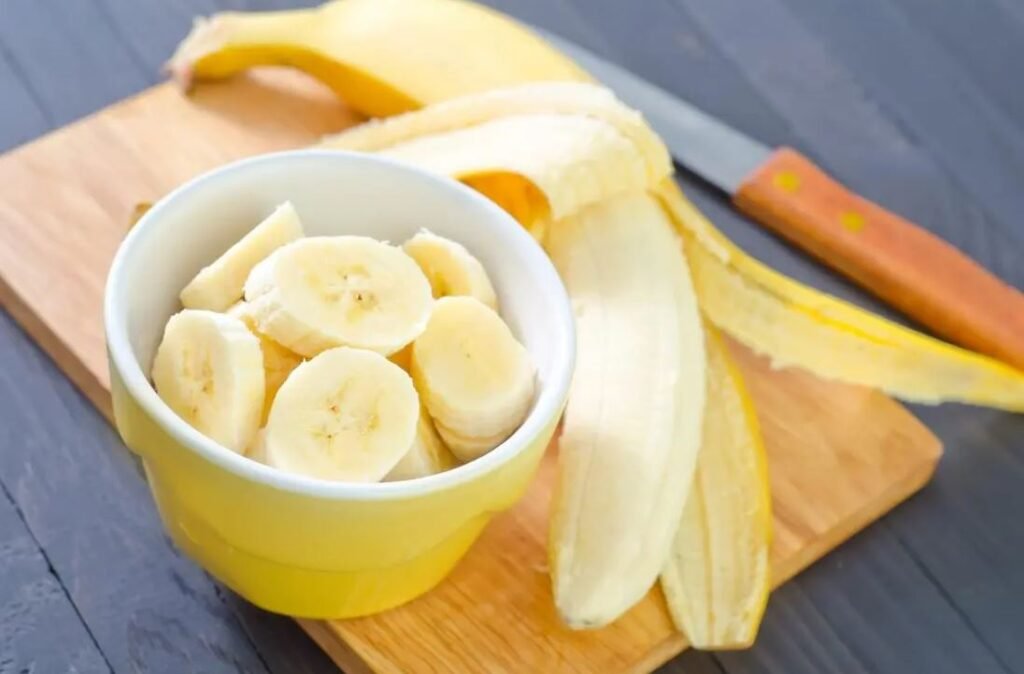
Unripe/Green bananas digest easily in the mouth but do not break down in the small intestine of the gut and serve as a prebiotic fibre. Rather, it is carried to the large intestines where it helps fosters good bacteria. In addition to potassium, bananas have several other compounds that have health-promoting properties.
Health Benefits of Indian Probiotic Foods
1. Promotes Gut Health
Buttermilk and yogurt are some of the probiotics benefits foods common in India that help create a good balance of good and bad microorganisms in the stomach. The listed foods are also great probiotics that fall into the category of foods that promote digestion, nutrient absorption and support overall gut health.
2. Improved Digestion
Probiotics assist to break the complex carbohydrates and improve digestion process in Indian fermented foods. The regular bowel movements due to indigestion made by Indian probiotic food help in relieving the digestive problems such as constipation, gas and bloating.
3. Enhanced Immune Function
Indian probiotic foods are made using probiotics that trigger the immune system and increase the immunity of the body against infection, viruses and harmful bacteria. Gut microbiome should have a healthy status to enable optimal immune system functioning.
4. Increased Nutrient Absorption
Probiotic foods can also aid the body in absorbing essential nutrients, like vitamins and minerals, through enhancing the gut’s performance in reducing them and strengthening their presence in the body.
5. Potential Weight Management Benefits
Some probiotics present in Indian probiotics foods can help you to control a person’s weight. These weight loss probiotics may help control appetite and enhance insulin sensitivity and the feeling of fullness, which can aid in keeping weight at a healthy level.


