

Any room can have a new life with plants and green foliage! But if you don’t receive natural light or you’re a newly-planted resident in and can’t handle the plants, there’s no need for you to panic over putting some color and green in your own room. Be at ease! Bring Indoor plants into the home and maintain them in a room with a relatively dark and small window, and you’ll still see your indoor plants thrive!
In fact, there is a myriad of plants that can get along in low light! Whether you’re looking for the simplest indoor plants without sunlight has to offer or innovative ideas on how to grow plants under low light, this comprehensive guide will help you navigate the world of indoor gardening.
Table of Contents
Indoor Plants Without Sunlight
1. Snake Plant
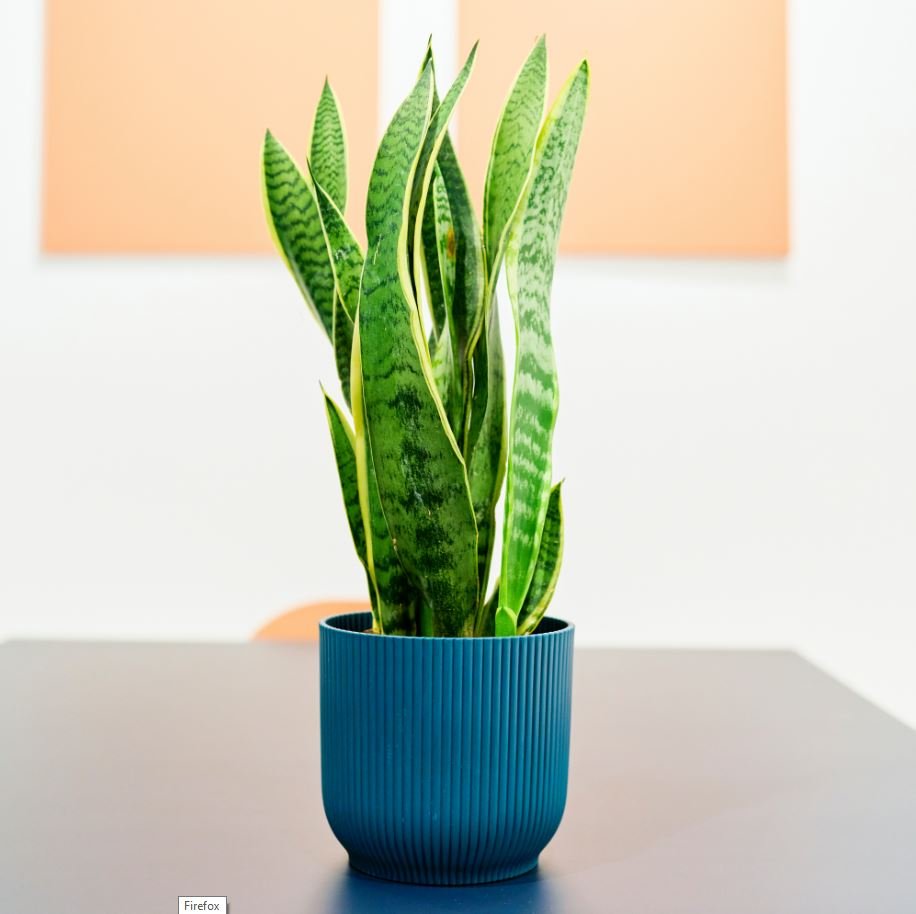
One of the toughest and most adaptable indoor plants without sunlight, the Snake Plant is also called Mother-in-Law’s Tongue. Grows well in low indirect light and can be left pretty much alone, ideal for the beginner and the somewhat busy. The tall, upright, sword-like foliage enhances any space, indoors or outdoors, with a modern, stylish appearance. The plant purifies harmful toxic gases like formaldehyde, xylene and toluene from the air. It emits oxygen by itself at night – a feature that is exceptionally useful in bedrooms. Not much water required and very low maintenance.
2. Monstera
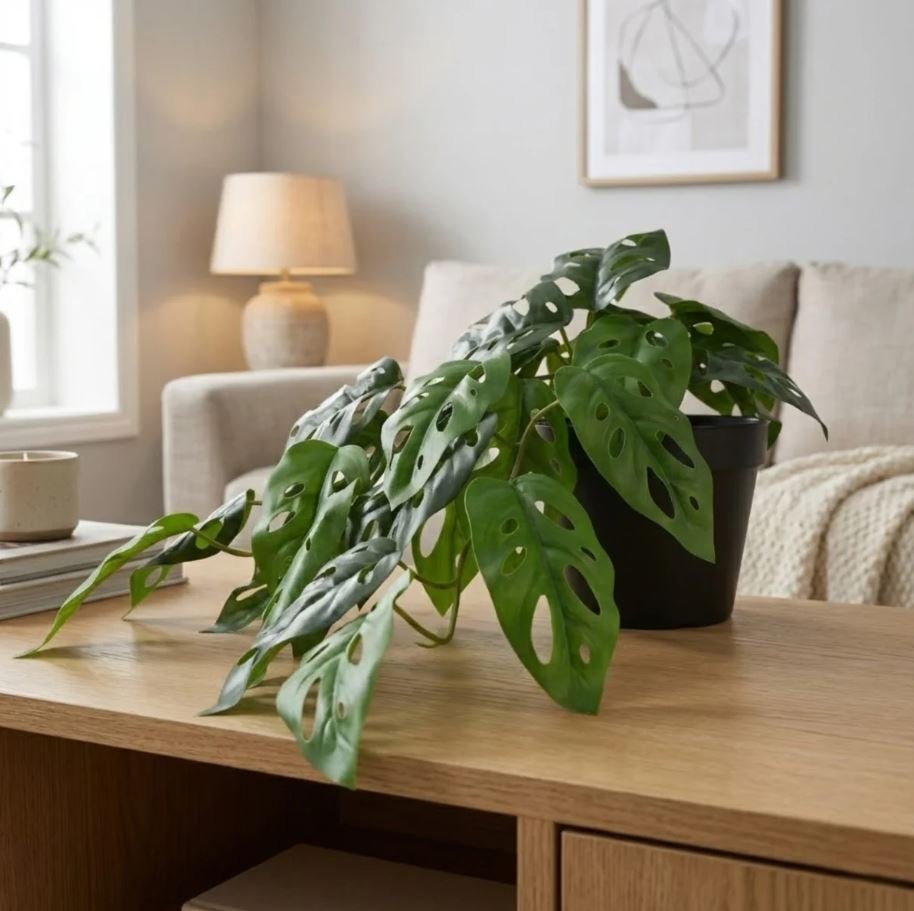
What comes into mind for indoor plants without sunlight is a Monstera. The beautiful fenestrated leaves are the reason for these popular plants being greatly loved and appreciated. This allows them to grow again under relatively low-light conditions, although not as splits. Doing lower light will help reduce speeds if you want to keep your monstera smaller – they will grow faster if you get more light. They grow best in light or partial shade. Water as needed, when top two inches of soil is dry. Remember that monstera are poison if ingested by pets.
3. Areca Palm
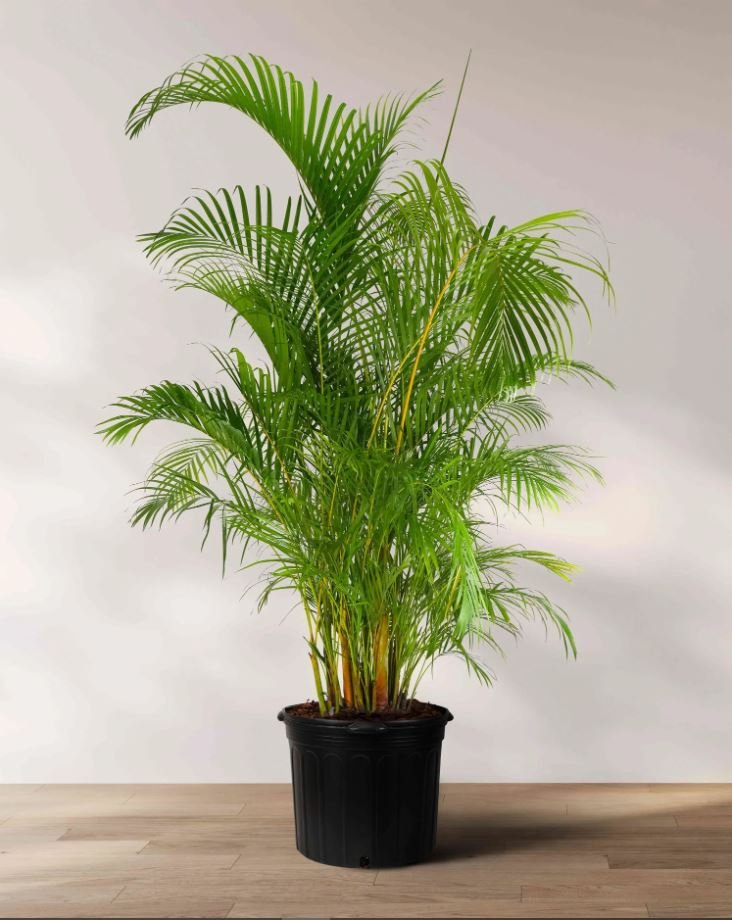
The areca palm is a good choice for tall, large-leaved house plants that don’t require sun if that’s what you are seeking. This Indoor plant may reach a maximum height of 30 feet, if available. As long as the container is small, however, their size will be stunted. Be sure not to sit in direct sunlight or leaf color will fade to yellow. It is also advisable not to overwater the plant as regular watering to keep soil moist is sufficient.
4. Pothos
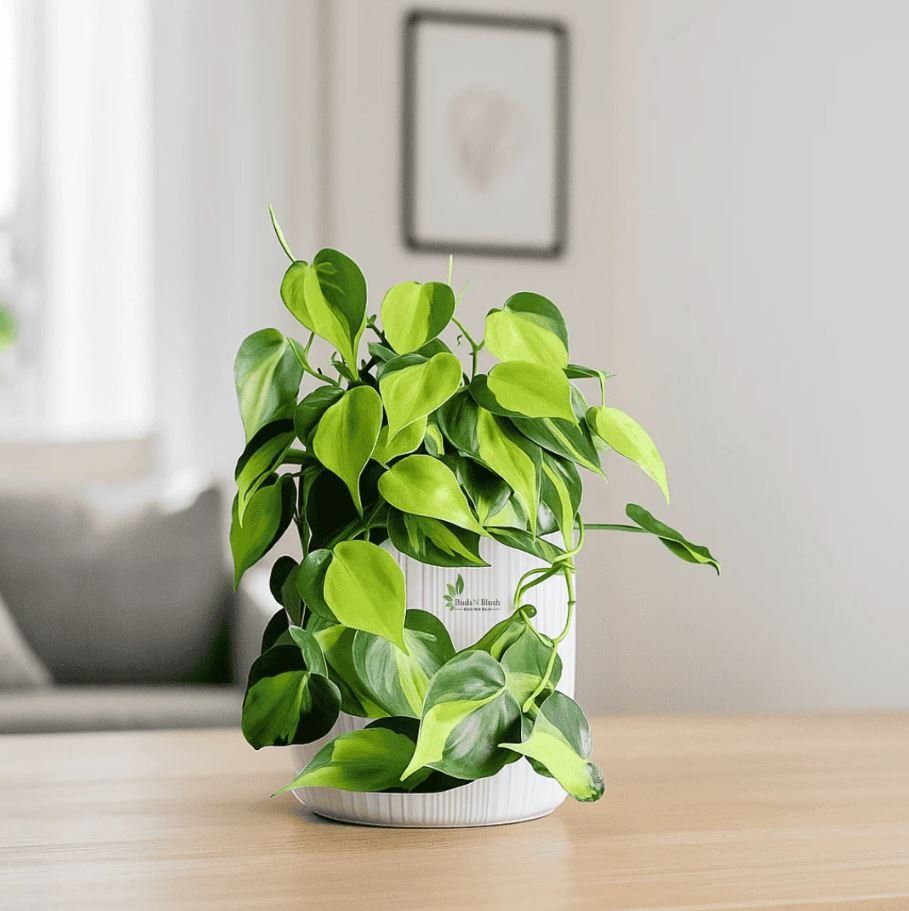
A moderately fast-growing vine, often called devil’s ivy, an attractive houseplant with abundant, heart-shaped leaves with minimal maintenance needs. Low maintenance and may need to be left alone on occasion, best for novice growers. Its best feature is potong to grow without direct sunlight. It needs to be watered only when the soil is dry, which can cause damage if it is given too much water. Trailing varieties also make excellent hanging basket and houseplant varieties.
5. Peace Lilies
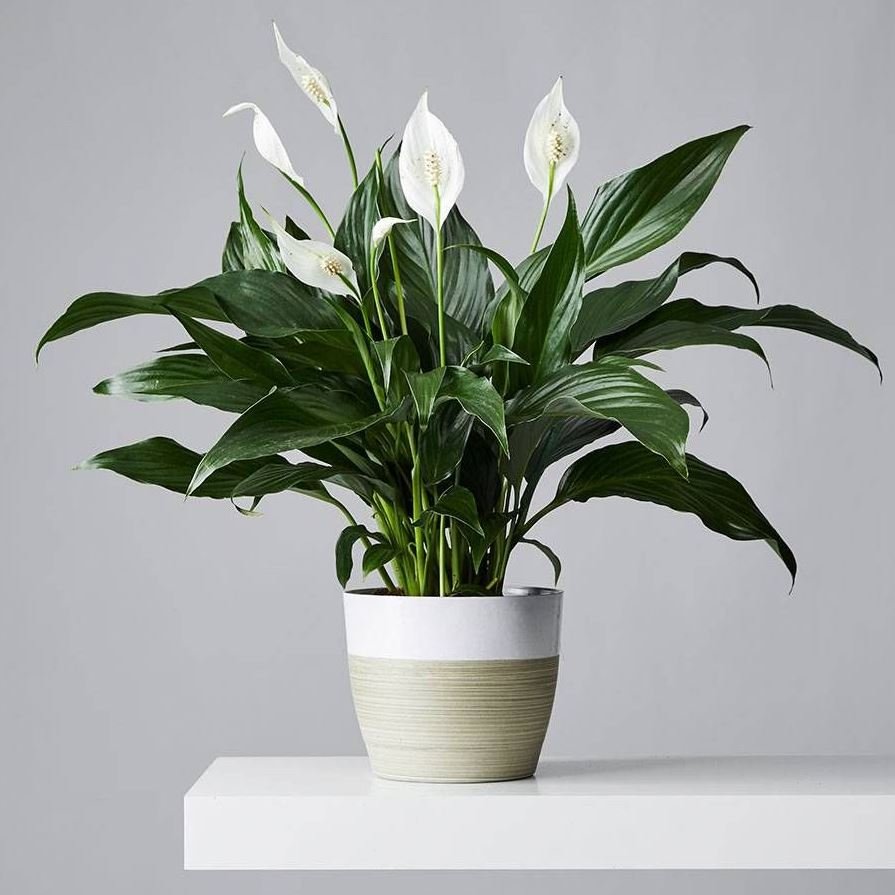
The peace time does deserve the nickname of the “closet plant”. They will still manage to sprout in the darkest corners and crevices. As soon as they emerge, the heads of white leaf bract extrusions like ivory flowers appear, set and forget the glossy green leaves. Regularly dust leaves clean with a damp cloth to keep the peace at times of accumulation. Read our peace lily care guide for additional tips and tricks. And if you’ve ever thought about growing your own flowers, be sure to read this article for all the tips and tricks on how to get started with a cut flower garden.
6. Cast iron plant
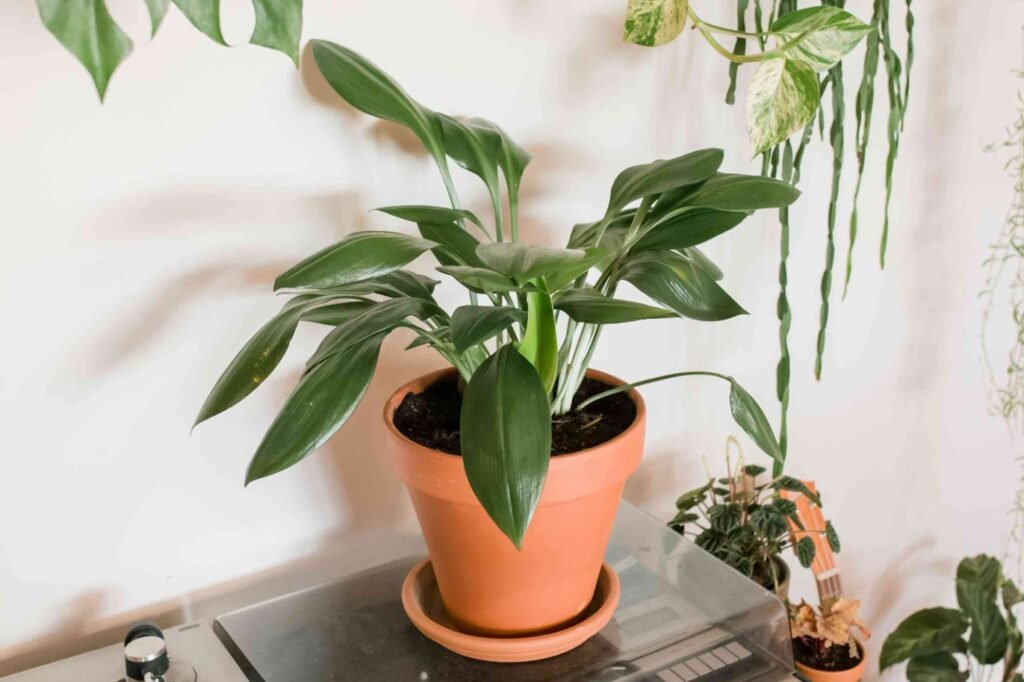
The cast iron plant is easy to grow in shade and its large, dark green leaves excel at growing in such a place. Indoor Plants that have solid green leaves are the most readily available, though a few of the cultivars that have variegated leaves may be found if you are lucky! The cast iron plant is very free of care and will tolerate relatively extended dry periods after establishment. When the top 2.5-5 cm of mix is dry, of course it will require watering, but it can be neglected if you go on holiday or are simply forgetful.
7. Lucky Bamboo
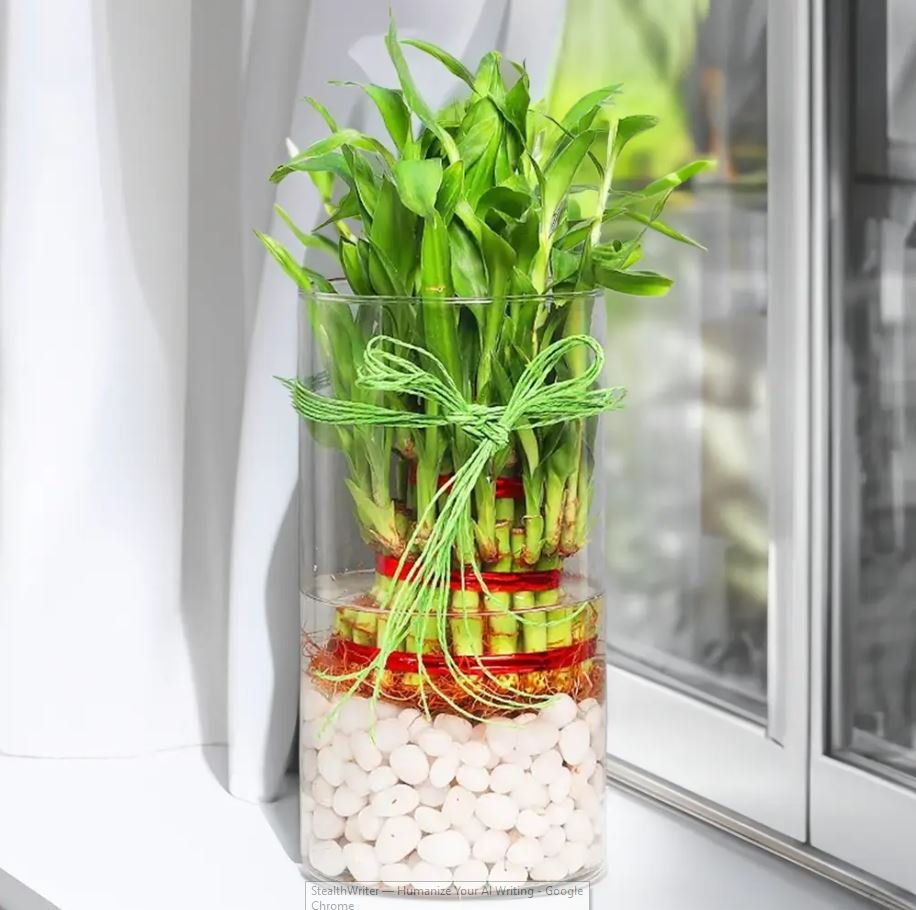
One popular Feng Shui plant likened to bring in positive and auspicious energy is the Lucky Bamboo reliance on the number of stalks of the bamboo. It is believed it is a symbol of luck, prosperity and harmony within the people’s households and office buildings. It is one of the advantages that it can be grown in the dark so it is applicable for dark and enclosed spaces. It is also a low-maintenance material and doesn’t require a great deal of maintenance. But for its maintenance, it is advisable to change the water and keep the container clean and fresh often.
8. Flamingo flower
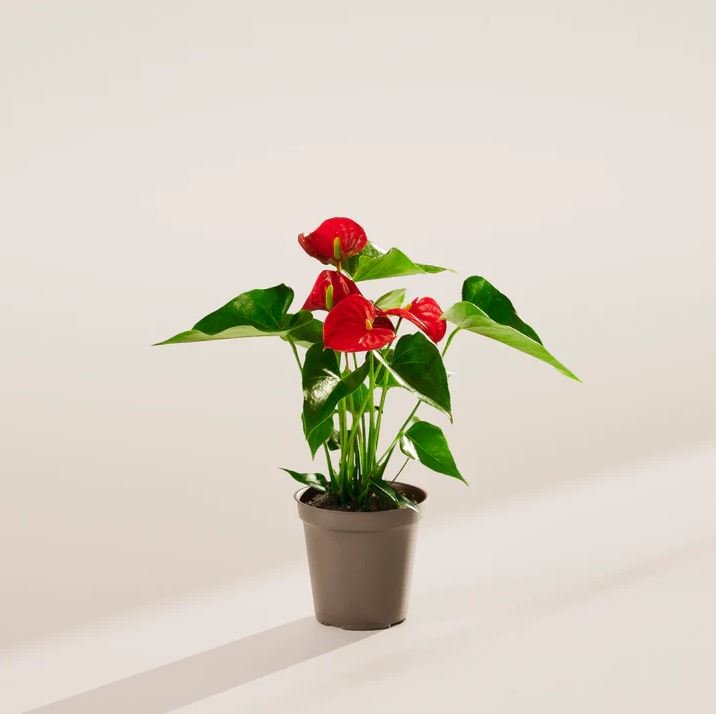
The flamingo flower can add a sweet accent to shady rooms with its glossy green heart-shaped leaves. It does have bright red or pink flowers, hence its common name, but normally only are seen when grown in a bright light. So, in dark-colored spaces you will be mainly able to receive the gorgeous foliage. Hybrids can also be available in different coloured flowers, but again this will require bright light to enable them to keep flowering.
9. Philodendron
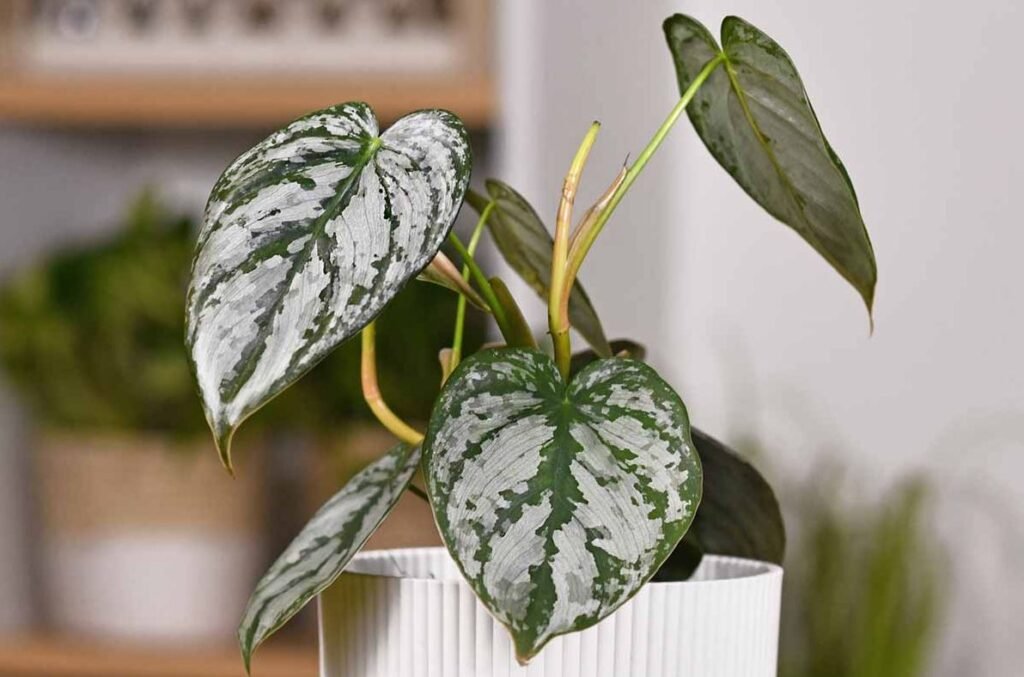
Philodendrons are beautiful, tropical indoor plants that can grow into a climber or remain as a low plant. They are a variety of types, but they all have excellent low-light tolerance and are hardwearing. Tolerant of indirect light and watering once or twice a month, this fast grower is ideal for any busy natured person like you. The eye-catching foliage will be a surefire chic accent to any room.
10. Happy plant
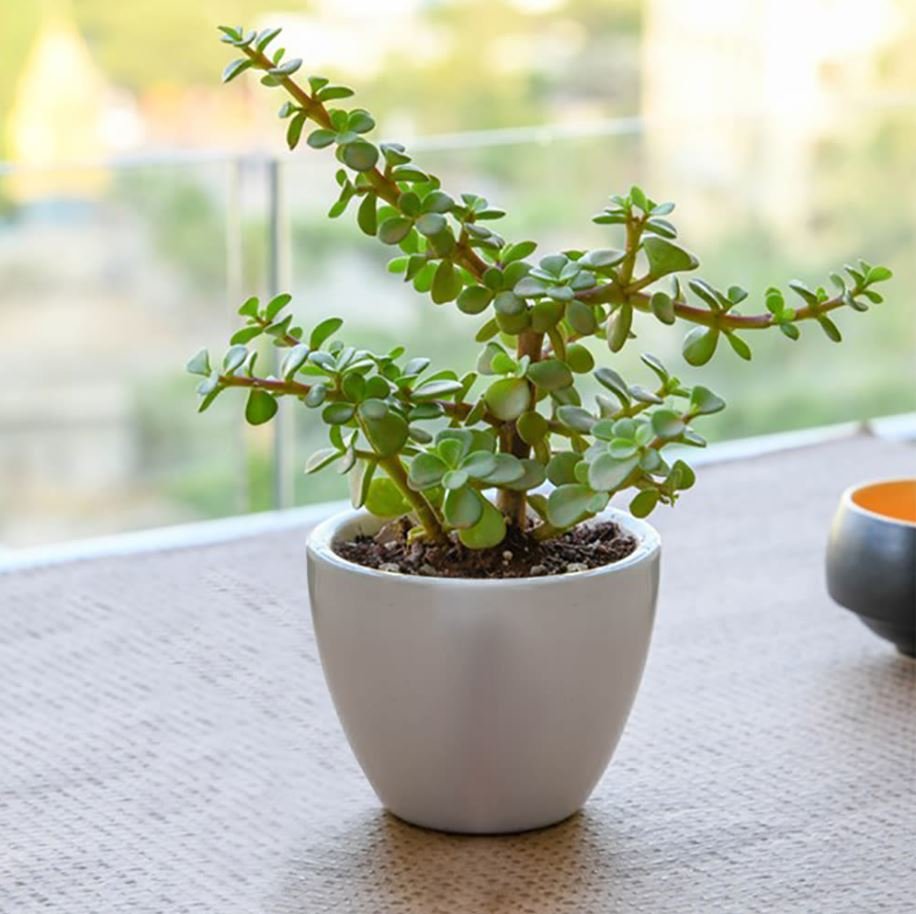
This is a plant for the house that will thrive in any light level—from bright to very low light. Can be slow growing but nurseries often grow plants from cuttings of established indoor plants to overcome this. Well, in this case it would be easy to purchase indoor plants that have a very woody, textured trunk (the original cutting) and a multitude of lush green and yellow striated foliage sprouting from a number of places. Grow in a soil that drains well and will tolerate drought. To be sure it will need watering on an occasional basis, but it shouldn’t be forgotten!
11. Spider Plant
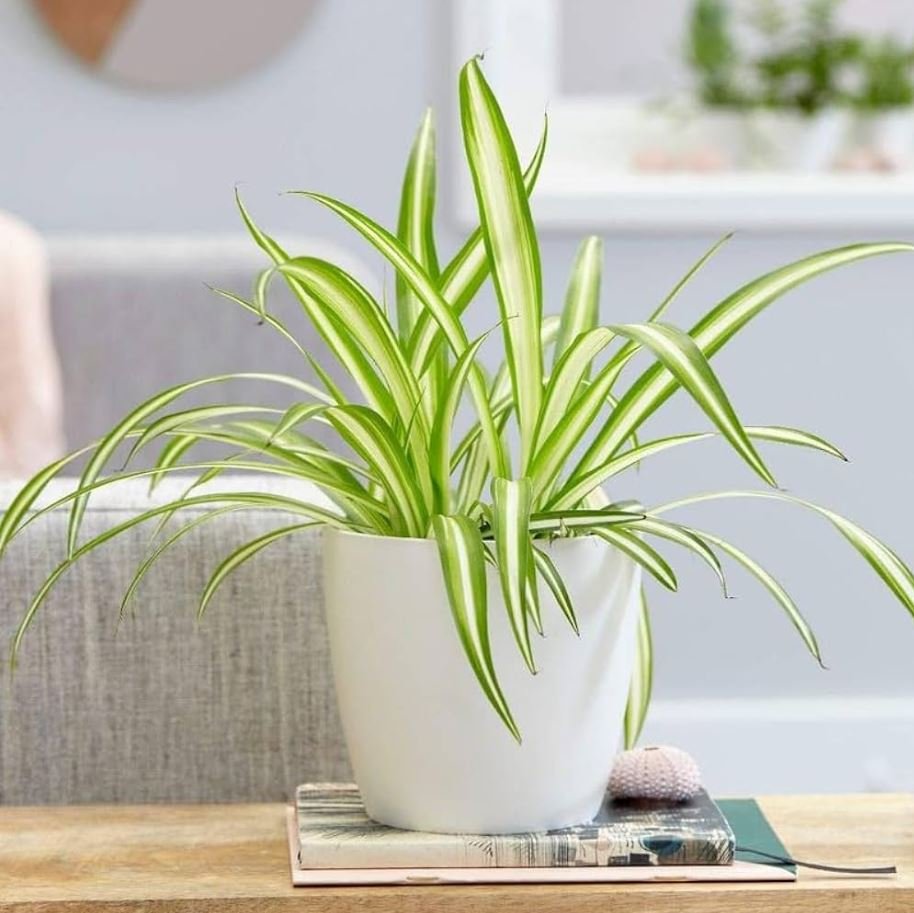
Spider Plant is a popular choice that has arching leaves and small offshoots that look like spiders and is native to Africa and Asia. It is used in areas around the world for its air cleaning properties and is effortless to grow and will do well in places where there isn’t much natural light. This indoor plant looks best in hanging baskets or pots off the ground due to the fact that it needs minimal watering (every 2 weeks).
12. Chinese Evergreen
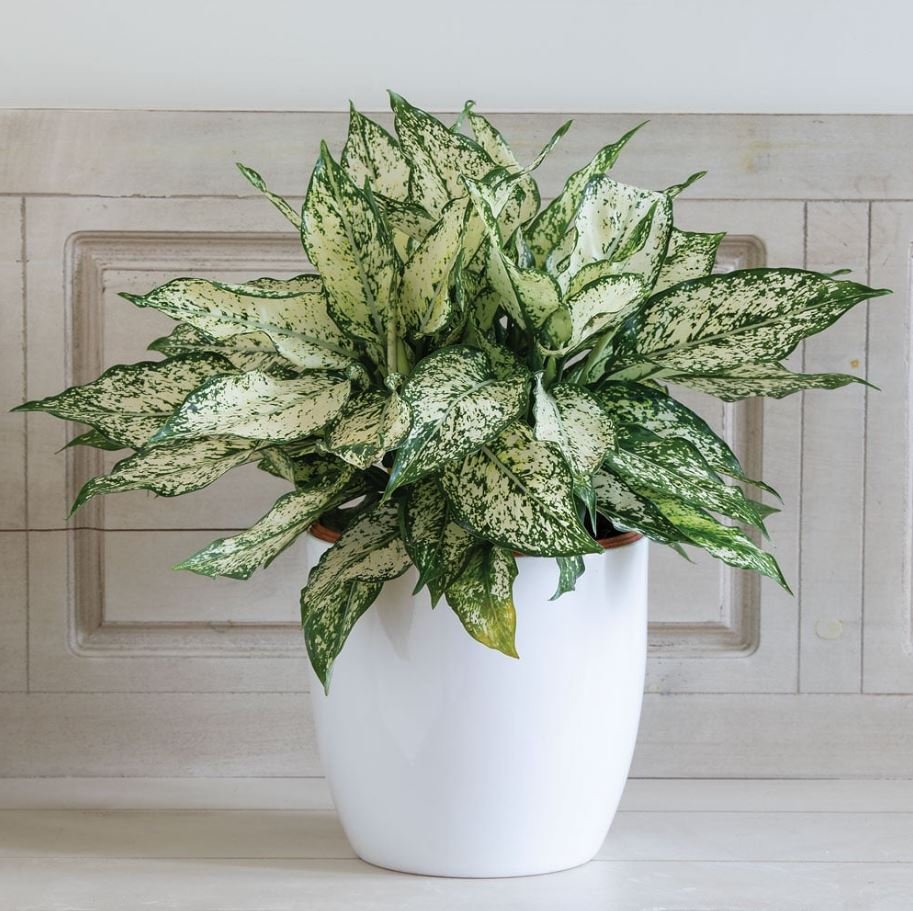
Chinese evergreen is an evergreen indoor plant favoured for cultivation, with round, glossy green leaves. It’s perfect for low-light spots and can be easily maintained, making it an excellent choice for shady spots. Avoid putting the plant in direct sunlight as the leaves can be harmed. All varieties can grow in less light; it is important to note that variegated varieties will grow best in light and bright indirect light. That’s not the case with this plant though which is poisonous to pets and should be kept out of reach.
13. Corn Plant
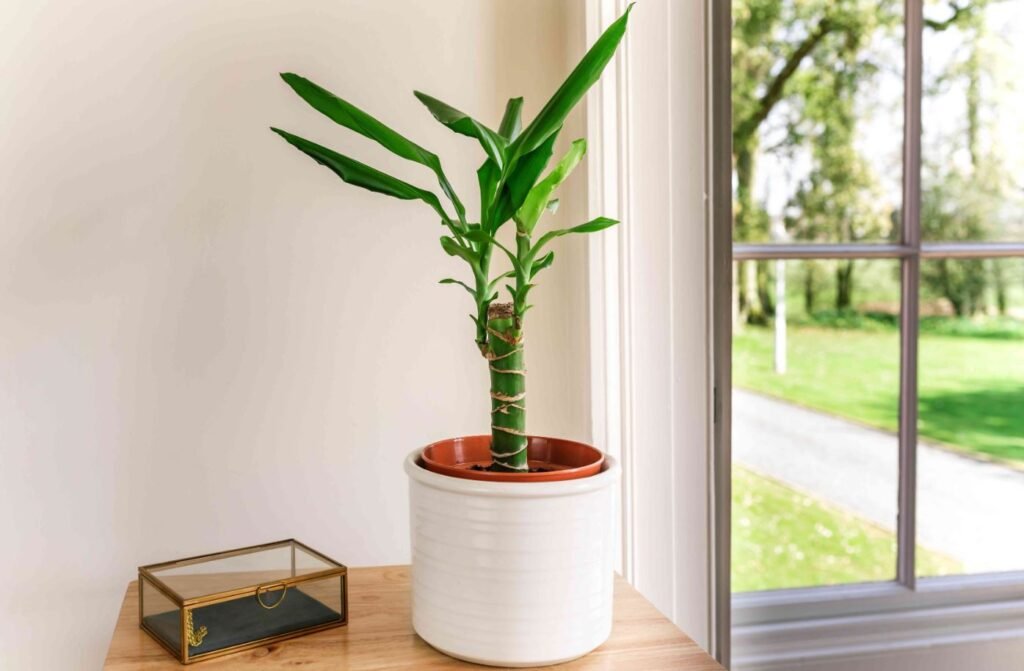
In the wild, Corn can reach extremely tall levels, but inside, it will typically reach around six feet. Very tolerant, can grow in shade and regenerate new growth. But, for a taller, healthier corn plant, it prefers indirect, but bright light. Low maintenance plant, great for beginners, or plant owners who don’t have much time to devote to their plants. Prefers drying out completely between waterings, and will be harmful to the pet if ingested, so should be used sparingly.
14. Rubber Plant
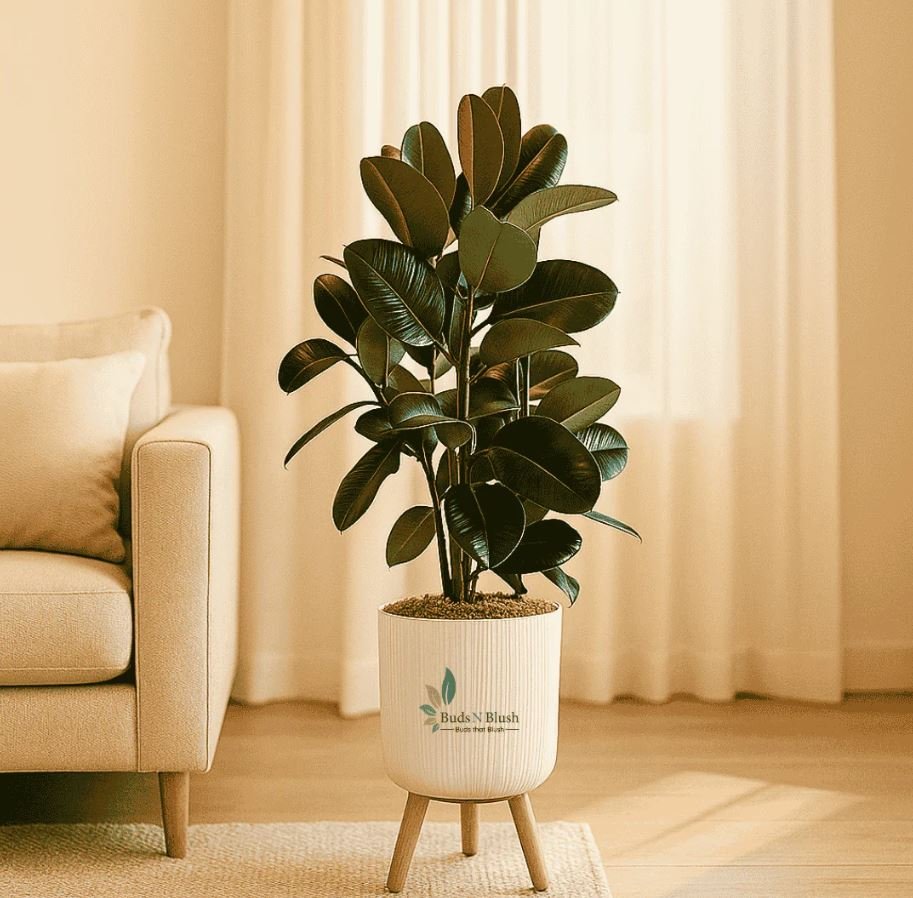
Not not only is the Rubber plant foliage a very neat, glossy dark green, but it has also the strength necessary to grow in lower lighting conditions and can be a good choice for indoor areas where it’s rarely too bright. The process of photosynthesis works well and it does have a bit of shade tolerance so it can be used in indoor and/or outdoor settings to provide a source of air purification and abundant foliage. Rubber plants should be grown in indirect light or below and watered when the top one inch of soil is dry. Avoid over watering, otherwise roots can rot; water at moderate level.
15. Fern
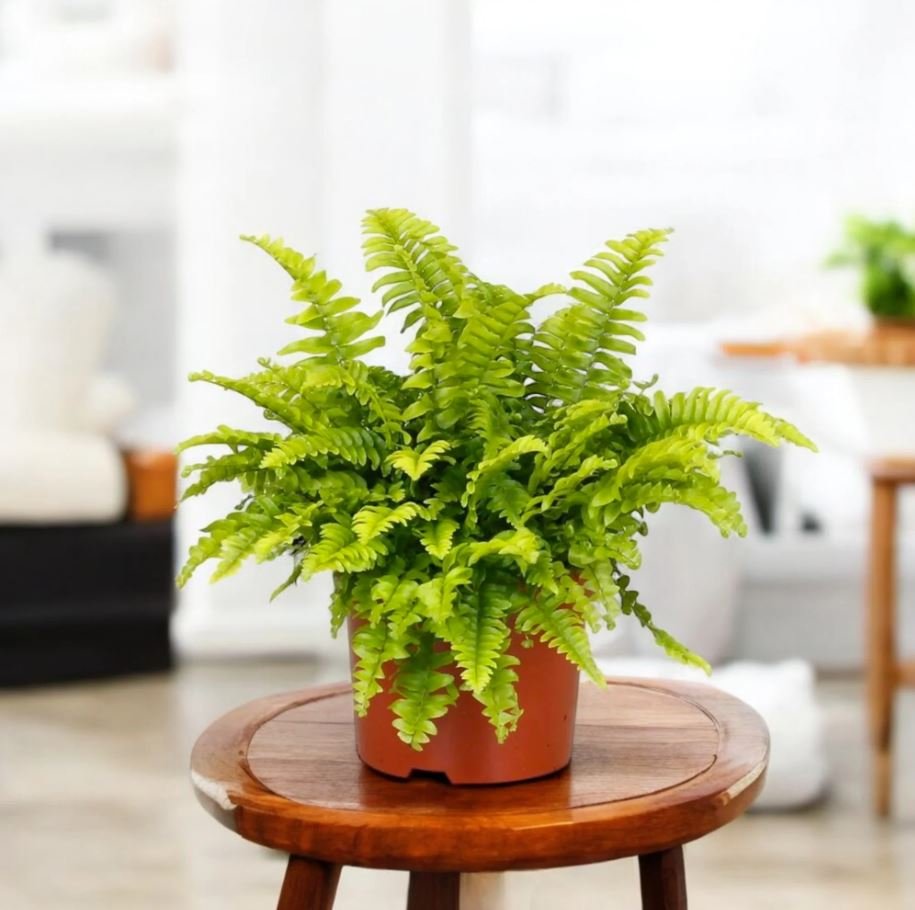
Ferns are dense plants which are able to grow indoors and outdoors successfully. Moderate amounts of sunlight are required and water is to be given every day ensuring the soil is kept moist. They make an excellent cutscene to enhance other flowers, so consider purchasing a couple to hang by a sunny window. Ferns are one of the oldest of the world’s plants, having evolved more than 300 million years ago. They are known for their ability to survive in various types of environments.
Benefits of Indoor Plants (Even in Low Light)
1. Improve Air Quality
Inside, vegetation can also help to cleanse the air. Indoor plants without sunlight will add to the look and feel of your home or office even if they’re not bright plants.
2. Reduce Stress and Boost Mood
The presence of greenery has a soothing effect which can help to reduce stress and anxiety levels, and to alleviate mental exhaustion. Knowing how much more relaxing and enjoyable it is to have a plant or plants indoors, makes it easier to think about having them by you.
3. Enhance Interior Décor
Infra-luminous indoor plants have great natural attractiveness and texture, suitable for all locations. They can be used to brighten up dark corners, for varying designs and to make rooms more inviting.
4. Increase Productivity and Focus
Studies show how beneficial the presence of house plants can be on concentration, creativity and productivity. Just a little bit of greenery to help inspire home offices, study areas.
5. Thrive in Challenging Spaces
Low-light plants thrive in areas with not much natural light. They let you have the advantages of a indoor garden for your apartment, office, hallways or other shady places and still enjoy their benefits without overdoing the garden maintenance.
Read Next


